
Energy Rating D: What It Means for Your Home
An energy rating D is where most homes in England and Wales sit. Here is what band D means for buyers, sellers and anyone planning improvements.

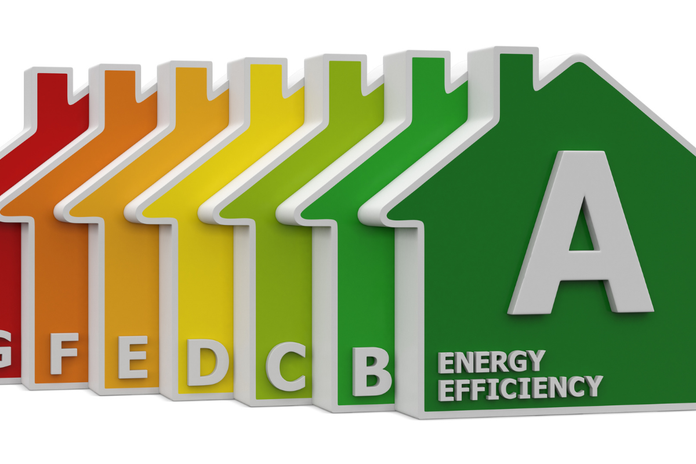
An energy rating D is where most homes in England and Wales sit. It is not a bad rating, but it is one band below band C, which is where a property starts to count as efficient. This CJ Bloor guide explains what an energy performance certificate rating D means, how it compares to a C, and how a rating can be raised.
A good EPC rating is band C or above. Band D puts a property in line with the typical home, so most buyers will see a D on the listings they view.
What is an EPC rating?
An Energy Performance Certificate (EPC) rating is a numerical measure of a property’s energy efficiency. It provides valuable insights into how efficiently a building uses energy and offers recommendations for enhancing its energy performance. These ratings are presented on a scale from A (most efficient) to G (least efficient), with ‘A’ being the most desirable.
The EPC rating scale
Energy ratings for houses run on a single scale, so the same bands apply whether you are looking at a flat, a terrace or a detached home:
- A: 92-100 points (most efficient)
- B: 81-91 points
- C: 69-80 points
- D: 55-68 points
- E: 39-54 points
- F: 21-38 points
- G: 1-20 points (least efficient)
What do EPC ratings mean?
Here’s a detailed breakdown of what EPC ratings actually mean.
A: Properties with an ‘A’ rating are at the top of the efficiency ladder. They are exceptionally energy-efficient and come with the benefit of significantly lower energy bills. ‘A’ rated properties typically boast well-insulated walls, roofs, and energy-efficient heating systems.
B: ‘B’ rated properties are also considered highly efficient. They feature good insulation and various energy-saving features, making them cost-effective to run.
C: Properties with a ‘C’ rating meet the minimum energy efficiency standards required by building regulations. They represent average energy efficiency.
D: A ‘D’ rating suggests that a property’s energy efficiency is moderate. Such properties may require improvements to reduce energy consumption. They are generally less efficient than A, B, or C rated properties, however this is where most homes in England Wales fall.
E: ‘E’ rated properties are less efficient and often come with higher energy costs. However, they can benefit from energy-saving upgrades to improve their rating.
F: An ‘F’ rating indicates inefficiency, resulting in higher energy bills. Significant improvements are necessary to achieve higher ratings.
G: ‘G’ rated properties are the least efficient. They have the highest energy costs and require substantial energy-saving measures to become more efficient.
Overall, EPC ratings of A or B are viewed as excellent in terms of energy efficiency. These ratings suggest that the property is well-insulated, probably possesses modern heating systems, and may even feature renewable energy technologies such as solar panels. Lower energy bills and a smaller carbon footprint make these properties more appealing to potential buyers or tenants. Ratings of E, F, or G, are considered poor and reflect a high level of energy inefficiency. These properties usually have steep energy costs and could substantially benefit from enhancements in energy efficiency.
However, while EPC ratings can offer a summary of a property’s energy efficiency, they’re not the only aspect to consider. Factors such as the age and type of the property, the residents’ lifestyle, and specific heating and cooling requirements can all affect energy consumption.
What does an energy rating D mean?
A D energy efficiency rating sits in the middle of the A to G scale, covering 55 to 68 points. In plain terms, an energy efficiency rating D means the property uses a moderate amount of energy: more than a C-rated home, less than an E.
The meaning behind a band D is worth unpacking. A home can land on a D for several reasons: solid walls that are hard to insulate, an older boiler, single glazing in part of the property, or limited loft insulation. Each of these holds the score down without making the home unlivable or unusually expensive.
Many period and traditionally built homes sit at band D because the way they are built makes a higher band harder to reach. That is not a fault in the property. It is a reflection of the materials and the age.
If you are comparing two homes and one is a D and the other a C, the C is likely to cost a little less to run and may appeal to a slightly wider pool of buyers. The gap is usually modest, and it can often be closed with the right improvements.
Is an energy rating D good or bad?
An energy rating D is neither good nor bad on its own. It is average. A good EPC rating is C or above, so a D falls just short of that line, but it is far from the bottom of the scale.
What matters more than the letter is what sits behind it. The EPC recommendations page lists the cheaper upgrades that would lift the score, and that tells you how much room there is to improve. A D with a short list of low-cost measures is a better prospect than a D that would need expensive work to move.
Why EPC ratings matter
EPC ratings are essential for several reasons, whether you’re planning to buy or sell a property, or just want to improve your own home’s energy performance. Below are some of the key benefits of getting an EPC and understanding what is a good EPC rating.
1. Informed decision-making
When searching for a new home, EPC ratings provide valuable information about a property’s energy efficiency. Higher-rated properties (A to C) are more attractive as they come with the promise of lower energy bills. Buyers and renters can factor this into their decisions. Sellers and landlords can use EPC ratings to highlight the energy efficiency of their properties, making them more appealing to potential buyers or tenants. If a property is constructed, sold, or rented, an EPC is needed. This certificate provides information regarding a property’s energy consumption, usual energy costs, and advice on how to lessen energy use and save money.
2. Cost savings
Understanding a property’s EPC rating can help homeowners and tenants anticipate energy costs. Higher-rated properties are more energy-efficient, which translates to lower energy bills over time. This knowledge can significantly impact a household’s budget.
3. Environmental impact
Energy-efficient homes have a reduced carbon footprint. Choosing or improving a property with a higher EPC rating contributes to environmental sustainability by reducing energy consumption and greenhouse gas emissions.
4. If you’re renting your property
Currently, you must have a minimum EPC rating of ‘E’, and the government has proposed raising the minimum for new tenancies to ‘C’ by 2030. Check GOV.UK for the current position before relying on a date. Read more about what the new EPC rules mean for landlords here.
Does EPC rating affect house price?
A strong EPC rating can make a property more desirable to prospective buyers or tenants. High ratings suggest that the building is energy-efficient, which could lead to lower energy costs. It also demonstrates the property’s environmental impact, a factor growing in importance for many individuals.
Furthermore, in certain countries, a low EPC rating could restrict what you can do with your property. For instance, in the UK, the Minimum Energy Efficiency Standards (MEES) state that landlords of privately rented domestic and non-domestic properties must have a minimum energy performance rating of E.
You can find out the price of your house price by taking out a mortgage valuation from an accredited valuer. This will allow you to understand how much your energy rating is impacting the value of your home, alongside other factors.
How can I increase my EPC rating?
There are numerous methods to boost the EPC rating of a building, such as:
- Boosting insulation: This could include insulating the loft, walls, or floors. Appropriate insulation can significantly impact a property’s energy efficiency.
- Modernising the heating system: Up-to-date heating systems are typically more energy-efficient.
- Installing double glazing: Double glazed windows can help prevent heat loss.
- Using energy-efficient light bulbs: These utilise less electricity than conventional light bulbs.
- Implementing renewable energy technologies, like solar panels or a heat pump.
For a home at band D, the goal is usually to reach band C. Loft and cavity wall insulation, plus a modern heating control, often moves a D into a C without major upheaval. For more insight into raising EPC ratings, read our post on how to improve your home’s energy efficiency.
Overall, while an EPC rating of A or B is considered excellent, it’s crucial to remember that the EPC is just a guideline. Each property is unique, and what might be energy efficient in one property might not be in another. Hence, it’s essential to use the EPC as a starting point and seek professional guidance to implement the most appropriate energy efficiency enhancements for your property.
An EPC is not a survey. It tells you about energy, not condition. A RICS home survey carried out by a RICS surveyor will inspect your home for defects and problems, including issues that affect energy efficiency, helping you avoid problems before they grow.
Frequently asked questions
What does energy rating d mean?
An energy rating D means a property has moderate energy efficiency, scoring between 55 and 68 points on the A to G scale. It uses more energy than a C-rated home but less than an E. Most homes in England and Wales fall into band D, so it reflects the typical home rather than a poor one.
What is energy rating d?
Energy rating D is one of the seven EPC bands, sitting below C and above E. It is the most common band for existing homes, and it often applies to older or solid-walled properties that are harder to insulate to a higher standard.
Is energy rating d good?
An energy rating D is average rather than good. A good EPC rating is band C or above. That said, a D is a long way from the bottom of the scale, and many D-rated homes can reach a C with modest, low-cost improvements such as loft insulation and better heating controls.
Is energy rating d bad?
No, an energy rating D is not bad. It is the middle of the scale and the most common band in England and Wales. It is well above the E minimum that applies to rented homes. What matters is the list of recommended improvements on the certificate, which shows how easily the score could be raised.
More on rics home surveys
How to Buy Your First Home: A Guide
Purchasing a home is one of the most exciting and rewarding milestones in life.
Read →How Much Does a House Survey Cost?
A house survey is one of the smartest investments you can make when buying a property, but costs vary widely depending on the type of survey and the property itself.
Read →Tips To Get Your Home Ready For A Survey
When your home is on the market, and you attract buyers, it is common for them to arrange a building survey.
Read →Need a survey on a specific property?
Tell us the address and we will send a fixed price in writing, with no obligation.
Get your fixed quote →