
The Level 3 survey: for when you need to know why, not just what.
Our most detailed residential survey, for older, extended or altered homes and for anywhere that already shows signs of a problem.
The same house, looked at in more depth.
Everything a Level 2 covers is still covered. What Level 3 adds is drawn in green: the places we go into rather than look at, where there is access.
What the extra buys.
The trail gets followed to its source
RICS puts it plainly: at Level 3 a suspected problem is followed "to a greater extent" than at Level 2. A damp reading in a bedroom wall is a symptom, not an answer, so the surveyor follows it as far as safe and accessible inspection allows: the loft above it, the gutter outside it, the under-floor space beside it where there is access. Nothing is opened up, and the report names the likely cause rather than just the stain.
Cause, effect, and what the repair involves
A Level 2 rates what it finds. A Level 3 explains it: why it has happened, what it will do if nothing is done, and what putting it right involves. That is the difference between knowing a wall is damp and knowing whether you are looking at a blocked gutter or a failed damp-proof course. It describes the work, not a priced schedule: budget figures are an optional extra, quoted separately.
General descriptions become specific ones
A Level 2 describes the building in general terms, which is what it is for. A Level 3 describes what is actually in front of it, such as this roof slope, these window frames or this section of wall, in the detail you need to get a price for the work or go back to the seller with it.
We get inside what a Level 2 sees from the edge
Loft insulation lifted at the corners to see the type, the depth and what it is sitting on. The under-floor space entered where there is safe access, rather than looked into: joists, ventilation, and the damp a floor covering hides.
Every opening window tried, and the drains watched in use
A Level 2 opens a sample of windows and lifts the drain covers. A Level 3 attempts every window that opens, and watches the drains in normal use where they can be run, so the question becomes what the system does with water, not what an empty chamber looks like.
Repair costings, as an optional extra
Budget figures for the significant items, so you can go back to the seller with costs attached. They are not part of the survey fee: ask for them with your quote and they are priced separately.
What are RICS Condition Ratings?
Condition Rating 1
Indicates that no repairs are required. The property must be maintained in the normal way.
Condition Rating 2
Highlights issues that require fixing or replacement but are not considered urgent or severe.
Condition Rating 3
Identifies defects requiring urgent repair, replacement, or immediate investigation.
Every element on the drawing above gets one of these three. Where something could not be inspected, the report says so rather than leaving it out.
When should you choose a Level 3 survey?
A Level 3 fits when
- Older or worn propertiesHomes that show their age, where the likely cause of each defect matters as much as the list of them.
- Extended or altered homesProperties that have been extended, converted or built in an unusual way, where how the work was done affects what you are buying.
- When you want the most detailWhen you want each significant defect explained: its likely cause, what it may lead to and what putting it right involves.
- When you already suspect a problemWhere movement or damp is already suspected, so the surveyor can follow it as far as safe and accessible inspection allows and say what further investigation is needed.
We will tell you a Level 2 is enough if
- It is a modern estate house in good orderPost-1980, conventional construction, nothing visibly wrong: the extra depth has little to find.
- Nothing has been alteredNo removed walls, no loft conversion, no extension without sign-off.
- You are buying a flatMost of the structure is not yours to repair, and the lease matters more than the survey level.
- The budget is better spent elsewhereA Level 2 plus a specialist damp or timber report often beats a Level 3 on its own.
What a Level 3 still does not do
- Foundations are not excavated or exposed
- Electrics, gas and plumbing are not tested
- Finishes are not removed to look behind them
- Anything sealed, boarded or inaccessible stays that way
- Priced repair costings, unless you add them to the instruction
No residential survey opens up the building. Where that is what you need, we will say so.
What is a Level 3 survey?
A RICS Home Survey Level 3 is the most detailed residential survey RICS offers. The inspection goes further: every opening window tried rather than a sample, loft insulation lifted to see what is beneath it, the under-floor space entered where there is access, the drains watched in use where they can be run. The real difference, though, is what happens when something looks wrong. A Level 2 describes the property in general terms and rates what it finds. A Level 3 follows the trail as far as accessible inspection allows, then sets out the likely cause, what it will do if it is left alone, and what putting it right involves. It remains a non-intrusive inspection, and budget repair figures are an optional extra rather than part of the report. It was previously called the Building Survey, and before that the full structural survey.
- Who it suits
- Older, larger, extended or altered properties, and anything already showing signs of movement or damp.
- What you get
- The same condition ratings, plus the likely cause behind each finding. Budget repair figures are an optional extra, quoted separately.
- How long it takes on site
- Usually three to six hours depending on size and how much has been altered, then the report follows within a few working days.
- What it is not
- It is still non-intrusive. Foundations are not excavated and finishes are not removed to look behind them.
How much does a Level 3 survey cost?
The range above is a guide. Your fixed price is confirmed in writing before you instruct us and does not change afterwards. If a Level 2 would do the job for your property, we will say so rather than quote you for this.
What moves the price
- Size and number of rooms
- The main driver, and it bites harder at Level 3 because more of the building is examined closely and each element is written up in full.
- Age and how much has been altered
- A Victorian house with a cellar, a loft conversion and two extensions is several hours more work than an unaltered 1960s semi.
- What is already wrong
- Where there is visible movement or damp, the inspection goes further and the report explains cause and remedy, which takes longer.
- Repair costings
- Budget figures for the significant items, priced as an optional extra rather than assumed.
What the fee covers
- A longer inspection: loft insulation lifted, and floor coverings lifted at the corners where they lift
- The full written report, with photographs and the reasoning behind each finding
- Answers to any questions the report raises
- VAT
What the deeper look finds.
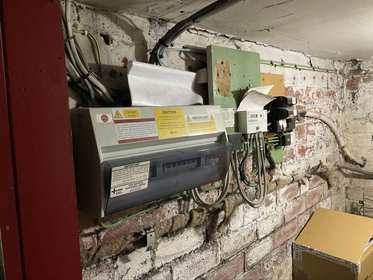
Every one of these is a photograph from a survey we carried out, with the finding it supported. Not a stock library, and not an illustration.
 Electricity
 Services
 Roof and Chimney Defects
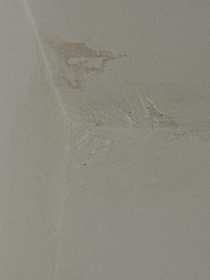 Walls
Walls Services
 Structural Movement and Wall Repairs
From enquiry to report, without the chasing.
Tell us the property
Address, type and roughly when you need it. About two minutes.
Get a fixed price in writing
A firm figure within the hour in office hours. Not an estimate, not a range.
Confirm and sign
We send the terms of engagement to review and sign electronically.
We arrange access
We deal directly with the seller, agent or keyholder to book the inspection.
The inspection
A local RICS surveyor attends and inspects the property.
Your report, and answers
You get the report, and anything in it you want explaining, we explain.
Using a Level 3 survey to renegotiate the price
If the survey finds significant defects while the sale is still subject to contract, the report gives you something specific to take back to the seller. A Level 3 sets out the likely cause of each defect and what putting it right involves, which carries more weight than a rating on its own. If you want figures to put in front of the seller, priced repair costings can be added to the instruction. Whether the price moves is a matter between you and the seller.
Questions we get asked.
Will a Level 3 survey identify every problem with the property?
It reports on everything visible and accessible on the day, and explains the likely cause and implications of what it finds. Parts of the building that are covered, unsafe or inaccessible are not inspected, because no residential survey opens up the structure, and the report says where that applies. Where the surveyor suspects a hidden problem, the report recommends further investigation before you commit.
Can the findings of a Level 3 survey support a price negotiation?
Yes. A Level 3 report provides detailed evidence about defects and repair requirements, which can support a fair and well justified renegotiation while the sale is still subject to contract. If you want figures attached, priced repair costings can be added to the instruction.
Can I attend the Level 3 inspection?
No. The surveyor needs to work through the property methodically and without interruption, and access is agreed with the seller on that basis, so we do not arrange for clients to attend. Once you have the report, ask us anything it raises and we will answer it.
Is a Level 3 survey the same as a mortgage valuation?
No. A mortgage valuation is a brief assessment carried out for your lender. A Level 3 Survey is an independent and detailed examination of the property’s condition, structure and risks for your own use as the buyer.
Do you provide repair estimates in a Level 3 report?
Not as standard. The report explains what putting each significant defect right involves, but it does not price the work. If you want budget figures for the significant items, ask for repair costings with your quote: they are an optional extra, priced separately. Either way, if anything in the report needs explaining, ask us and we will answer it.
What should I do once I receive the Level 3 report?
You can review the findings at your own pace and contact us if you need clarification. If the report advises specialist checks, it is best to arrange these before committing to the purchase.
Is a Level 3 survey worth it?
For an older, altered or unusual home, usually yes: the extra depth is where the likely causes and repair implications come from. For a modern, unaltered house in good order it often is not, and a Level 2 is the better buy. Tell us the property when you ask for a quote and we will say which we recommend.
Is a Level 3 survey the same as a structural survey?
In practice yes. "Structural survey" is the older informal name for what RICS now calls a Home Survey Level 3, and it is normally what people mean by the phrase. It is not the same as a structural engineer’s report, which is a separate, targeted piece of work commissioned when a specific defect needs calculations or monitoring. A Level 3 will tell you whether that step is warranted.
Does a Level 3 survey check for asbestos?
Not as a specialist asbestos survey. Where materials that commonly contain asbestos are visible, such as certain garage roofs, textured ceiling coatings, some soffits and flue components, the report says so and recommends testing before any work disturbs them. A management or refurbishment asbestos survey is a separate instruction under different regulations.
Does a Level 3 survey check for subsidence?
It looks for the visible evidence and reports it: crack patterns, distortion, doors and windows out of square, and the trees, drains and ground conditions that tend to cause it. Confirming active subsidence normally needs a structural engineer and monitoring over a period of months. The survey tells you whether that is warranted, which is usually the decision you need before exchange.
Does a Level 3 survey check the boiler and electrics?
They are inspected visually, not tested. The surveyor records what is installed, its apparent age and condition and any visible cause for concern, then recommends a test by a Gas Safe engineer or a registered electrician where one is warranted. No residential survey level includes testing the services.
Does a Level 3 survey include a valuation?
Not as standard. A Level 3 is a condition report. We can provide a market valuation alongside it where you want one, quoted separately, and a valuation for probate, Help to Buy or shared ownership is a different instruction again.
How long does a Level 3 survey take?
Usually three to six hours on site depending on the size of the property and how much has been altered, with the written report following within a few working days. We tell you the expected date when you instruct us rather than after the inspection.
RICS Home Survey — Level 3 near you.
Every area below is staffed by RICS surveyors who work there. If we cannot cover you properly, this site will say so rather than take the booking.
Our other services.
RICS Home Survey — Level 2
A conventional house or flat, built this century or last, in reasonable order
RICS Residential Valuation
You need a figure rather than a condition report, for probate, Help to Buy or shared ownership
Tell us the property. We'll do the rest.
A firm price in writing, a local RICS surveyor within days, and a report you can use.
Get your fixed quote →