
The Future of London’s Built Environment with AI Integration
Artificial intelligence (AI) is revolutionising numerous industries, and real estate is no exception.

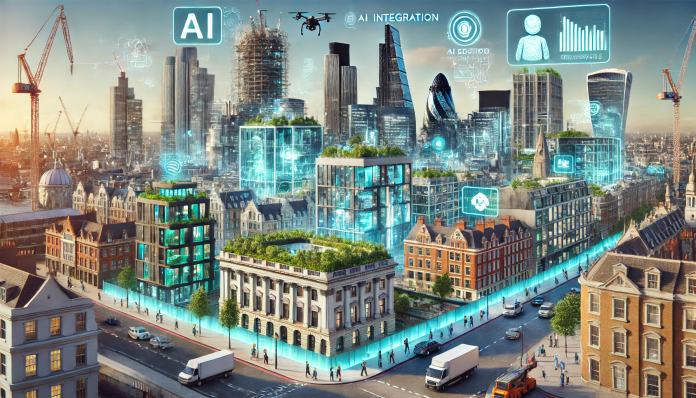
Artificial intelligence (AI) is revolutionising numerous industries, and real estate is no exception. In London, a city renowned for its dynamic property market and architectural innovation, the integration of AI is poised to transform the built environment significantly. This transformation is not just a future possibility but an emerging reality, affecting various aspects of property management, development, and investment.
Enhancing Property Management
One of the most significant impacts of AI in real estate is on property management. AI-powered systems can automate routine tasks, such as rent collection, maintenance scheduling, and tenant communication. This automation not only saves time but also enhances efficiency and accuracy. For instance, predictive maintenance, facilitated by AI, can anticipate and address maintenance issues before they become serious problems, thereby reducing costs and improving tenant satisfaction.
Moreover, AI-driven chatbots and virtual assistants are becoming increasingly common in property management. These tools can handle tenant inquiries 24/7, providing immediate responses and freeing up human managers to focus on more complex issues. According to the Royal Institution of Chartered Surveyors (RICS), the adoption of such technologies can lead to a more streamlined and responsive property management process.
Smart Building Design and Construction
AI is also transforming the way buildings are designed and constructed in London. Architects and engineers are leveraging AI to create more efficient and sustainable designs. AI algorithms can analyse vast amounts of data to optimise building layouts, materials, and energy systems, leading to smarter and greener buildings.
In the construction phase, AI-powered robots and drones are increasingly being used to perform tasks such as site surveys, bricklaying, and quality inspections. These technologies can enhance precision, reduce labour costs, and speed up construction timelines. Furthermore, AI can help in managing construction projects by predicting potential delays and suggesting corrective actions, ensuring projects stay on track and within budget.
For property developers and investors, the use of AI in construction can provide a significant competitive edge. By adopting these advanced technologies, they can deliver high-quality buildings faster and more cost-effectively, meeting the growing demand for innovative and sustainable real estate solutions in London.
Optimising Property Investment
Investment in London’s real estate market is becoming more data-driven thanks to AI. Investors are using AI-powered analytics to make more informed decisions. These tools can analyse market trends, property values, and economic indicators to identify the best investment opportunities. AI can also predict future market movements, helping investors to strategise and maximise their returns.
AI’s ability to process and analyse large datasets quickly and accurately is particularly valuable in a city like London, where the property market is highly competitive and fast-paced. By leveraging AI, investors can gain deeper insights into market dynamics and make data-driven decisions that minimise risk and enhance profitability.
Personalised Customer Experiences
The integration of AI in real estate is also transforming the customer experience. AI-powered platforms can provide personalised property recommendations based on a buyer’s preferences and budget. Virtual reality (VR) and augmented reality (AR) technologies, driven by AI, enable potential buyers to take virtual tours of properties, providing a realistic and immersive experience without the need for physical visits.
These technologies are particularly beneficial in a city like London, where the property market is diverse and often requires buyers to make quick decisions. By offering personalised and immersive experiences, AI can help buyers find their ideal property more efficiently and with greater confidence.
Supporting Sustainable Development
Sustainability is a key consideration in modern real estate development, and AI is playing a crucial role in supporting sustainable practices. AI can optimise energy consumption in buildings by adjusting heating, cooling, and lighting systems in real-time based on occupancy and weather conditions. This not only reduces energy costs but also minimises the environmental impact of buildings.
Furthermore, AI can assist in the development of smart cities, where interconnected systems work together to enhance urban living. In London, initiatives such as the Smart London Plan aim to integrate digital technologies to improve the city’s infrastructure and services. AI is at the heart of these initiatives, providing the intelligence needed to manage resources efficiently and create a more sustainable urban environment.
Challenges and Opportunities
While the integration of AI in real estate offers numerous benefits, it also presents challenges. Data privacy and security are major concerns, as AI systems often rely on vast amounts of personal and sensitive data. Ensuring that this data is protected and used ethically is crucial.
Additionally, the adoption of AI requires significant investment in technology and skills. Property firms must be willing to invest in AI infrastructure and training to fully leverage the benefits of these technologies. However, those who make this investment stand to gain a significant competitive advantage in the market.
The Future of AI in London’s Real Estate
The integration of AI in London’s real estate sector is an exciting development with far-reaching implications. From enhancing property management and construction to optimising investment and personalising customer experiences, AI is set to transform the built environment in profound ways.
For those looking to stay ahead in this rapidly evolving market, it is essential to embrace AI and harness its potential. Whether you are a property manager, developer, investor, or buyer, the adoption of AI can provide significant benefits and open up new opportunities.
For a comprehensive assessment of your property’s structural integrity, consider our Building Surveys in London.
As AI continues to advance, its integration into the real estate sector will only deepen, driving innovation and creating a smarter, more sustainable built environment in London. Embracing this change is not just a strategic move but a necessary step towards the future of real estate.
For more information on the potential of AI in real estate, visit the UK Government’s AI sector deal and the Construction Leadership Council’s Innovation in Buildings workstream.
More on news
Labour plans to immediately abolish Section 21 “no fault” evictions
Labour’s Pledge to Abolish Section 21 “No Fault” Evictions: Implications for Tenants and Landlords The UK rental market is set for a significant overhaul as the Labour Party has pledged to abolish Section 21 “no fault” evictions.
Read →UK Property Market Shifts to Buyer’s Market
Shift Towards a Buyer’s Market: What It Means for UK Homebuyers and Investors After a prolonged period of rapid price growth, the UK property market is now showing signs of transitioning into a buyer’s market.
Read →Why Nottingham is a buy-to-let property investment hotspot
A recent analysis by estate agent Lomond found that two Nottingham postcodes landed in the top 10 postcodes for best rental yields in the UK.
Read →Need a survey on a specific property?
Tell us the address and we will send a fixed price in writing, with no obligation.
Get your fixed quote →