
Is Your Home Prone to Flooding? What Surveyors Look for
Table of Contents According to recent studies, as many as 1 in 6 properties in the UK are at risk of flooding. This is even more true if you live in one of the UK’s flooding hotspots (admittedly you could argue that’s the whole of the UK).
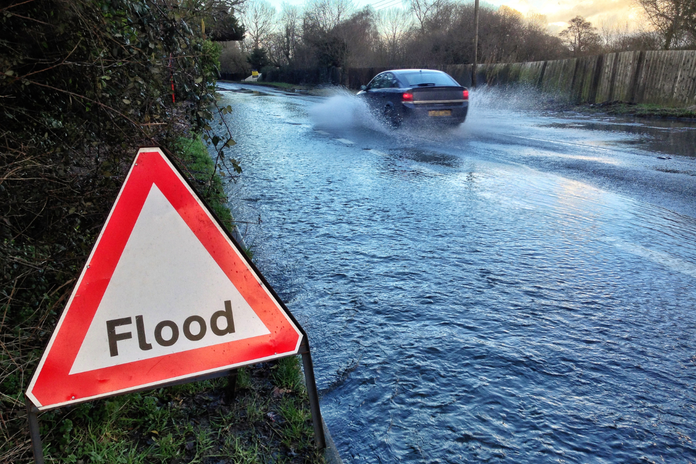
According to recent studies, as many as 1 in 6 properties in the UK are at risk of flooding. This is even more true if you live in one of the UK’s flooding hotspots (admittedly you could argue that’s the whole of the UK). However, with increases in adverse weather, the risk of flooding is likely to rise, so it’s important to know whether your home is vulnerable.
As a surveyor, there are certain things we look out for when evaluating a home. Knowing the signs of what makes a property at risk of flooding can be invaluable, whether you’re buying a new home or wanting to protect where you live.
1. Location
One of the first things to consider when assessing how at risk a home is to flooding is where the property is located. Statistics show that the regions most exposed to flooding are:
- East Anglia
- Yorkshire
- North West
The respective average flood risk for those areas are 11.88%, 10.72% and 10.5% respectively. The regions with the lowest average flood risk are the West Midlands (3.77%) and East Midlands (4.73%). Outer London, the South and the North East fall somewhere in between.
Apart from the region, other location factors that may impact whether your home is prone to, or at risk of, flooding is elevation, proximity to water, and urbanisation. It makes sense that if your property is elevated then the flood risk is lower, but if it’s located close to water (like rivers, coasts or reservoirs), then the flood risk goes up.
When it comes to urbanisation, The flood risk of a property also increases in areas of high urbanisation. The higher number of impermeable surfaces, like roads, pavements, and buildings, can prevent water from naturally seeping into the ground. This creates more surface runoff during rainfall, overwhelming drainage systems and leading to faster and more intense flooding events. Additionally, urban developments often encroach on natural floodplains, reducing the land’s ability to absorb water and increasing the chances of flooding in residential and commercial areas. Poorly planned urban growth and limited green spaces compound these issues, making properties in urbanised areas more vulnerable to flood damage.
2. Type of Property
Beyond location, the type of house you own can affect whether or not your home will be susceptible to flooding. Detached properties are the least likely to flood (6.99%), followed by semi-detached (7.6%) and lastly terraced (9%). Terraced properties are more likely to flood compared to semi-detached or detached homes due to their shared walls and close proximity to other homes, which limits options for flood protection measures. Unlike detached houses, where flood defences can be customised for each property, terraces rely heavily on communal efforts for flood barriers and drainage solutions. Additionally, because terraced homes often share drainage systems, a blockage or overflow in one part can quickly affect neighbouring properties. This interconnectedness increases vulnerability to flooding, especially in high-risk flood zones.
3. The Age of a Property
It’s probably no surprise that the older a home is, the more likely it is to have qualities that aren’t favourable to flood prevention. Modern buildings are subject to more contemporary, and stricter, building regulations, whereby older homes may have been built according to different standards. Older properties, particularly those built before modern flood management regulations, are often more vulnerable as they lack built-in resilience measures, such as elevated foundations or improved drainage systems. They’re also more likely to have cracks and gaps, meaning more exposure to water damage.
Conversely, newer builds are increasingly designed with these risks in mind. In response to rising flood risks, stricter building regulations have been implemented to promote flood resilience, including measures like elevated foundations and Sustainable Drainage Systems (SuDS). These regulatory changes aim to help new developments withstand flooding but may not protect older buildings that lack these defences. However, some are still constructed in flood-prone areas, partly due to demand and land availability. Research has shown that a significant percentage of recent builds face flood risk due to location, despite meeting current standards.
So while property age has a positive relationship with flood risk, it’s not the full picture. This is where a surveyor’s knowledge of the landscape and building regulations under which your home was built is invaluable.
4. Soil and Ground Permeability
Properties located on less permeable ground, such as clay, or in areas with substantial urban development (with lots of concrete and asphalt) face a higher flood risk due to limited water absorption. Flood-prone urban areas especially lack the natural ability to soak up excess rainwater, exacerbating surface water flooding.
Groundwater flooding can significantly elevate a property’s flood risk, especially in areas with high water tables or permeable ground materials, like chalk, sand, or gravel. Unlike surface flooding, which results from heavy rain and river overflow, groundwater flooding occurs when the water table rises above the ground level, leading to prolonged flooding events. This type of flooding can impact cellars, foundations, and lower ground floors.
5. Building Materials and Design
As mentioned, properties have been built differently and in accordance to changing sets of regulations and standards over the years. This means that the materials and designs of homes can play a direct role in the risk of flooding.
Properties with basements or cellars face heightened risk from groundwater flooding because rising water tables can directly impact these lower areas, often causing persistent water ingress. Unlike surface water, groundwater pressure builds up around the foundations and underground walls, making it harder to keep water out without specialised drainage or waterproofing systems.
Furthermore, construction materials shape a building’s resilience to flooding. Materials like untreated wood are particularly vulnerable to water damage, as they absorb moisture, leading to warping, rot, and, over time, significant structural degradation. In contrast, flood-resistant materials, such as concrete, water-resistant insulation, and treated lumber, are better suited for flood-prone areas and can reduce the need for extensive repairs following a flood event.
Types of Flooding
The flood risk of a property is often in reference a type of flood. For example, if you’re home is located near large bodies of water, the flood risk likely reflects risk of coastal or fluvial flooding. If your property is old or in urbanised areas, the flood risk is typically related to groundwater flooding. Knowing the different types and causes of floods is another important element in determining your property’s overall vulnerability.
Groundwater flooding occurs when the water table rises, often after prolonged heavy rain, causing water to seep up through the ground. This type of flooding is slower to develop than other types, taking days or even weeks to manifest, and can persist for extended periods. Groundwater flooding is common in areas with permeable rock, such as chalk or limestone, which allows water to accumulate and rise gradually.
In contrast, fluvial (river) flooding results from rivers or streams overflowing their banks due to heavy rainfall or snowmelt, impacting nearby areas quickly. Pluvial (surface water) flooding happens when intense rain overwhelms drainage systems, leading to ponding or flash floods on the surface. Coastal flooding is caused by high tides or storm surges, affecting properties near the coast. Unlike groundwater flooding, these other types typically have shorter durations but can cause immediate and severe impacts
Why a Surveyor is Important for Flood Risk Assessment
A surveyor is crucial in assessing flood risk, as they bring technical expertise to evaluate the specific vulnerabilities of a property. Using flood mapping and on-site evaluations, surveyors translate potential flood scenarios into actionable insights for property owners. They assess the property’s elevation, drainage, and proximity to water sources, allowing for a detailed understanding of both current and potential future risks from floods. Additionally, surveyors can recommend tailored mitigation options, like the installation of flood barriers or drainage improvements, based on the unique characteristics of the property. This is why it’s important to instruct a surveyor to evaluate your home in person, as opposed to desktop assessments alone that don’t include visual inspections of the property.
For a comprehensive breakdown of RICS Home Surveys, you can refer to this complete guide.
Beyond risk assessment, surveyors play a critical role in regulatory compliance, especially for new developments in flood-prone areas, ensuring properties meet local flood resilience standards. This assessment aids property owners, developers, and insurers in making informed decisions about property investment, maintenance, and flood insurance coverage.
More on rics home surveys
What is a Chartered Surveyor?
What a chartered surveyor is, how RICS accreditation works, and why it matters when you have a property surveyed before you buy.
Read →The Secret Art of Property Negotiation
Navigating property negotiations, especially when dealing with estate agents, requires skill and understanding. This article provides insights into the key principles of negotiation tailored to home buying.
Read →Do I Need a Valuation Survey or a Home Survey?
A valuation survey tells you what a property is worth. A home survey tells you its condition. Here is how they differ and which you need.
Read →Need a survey on a specific property?
Tell us the address and we will send a fixed price in writing, with no obligation.
Get your fixed quote →