
Do I Need a Valuation Survey or a Home Survey?
A valuation survey tells you what a property is worth. A home survey tells you its condition. Here is how they differ and which you need.
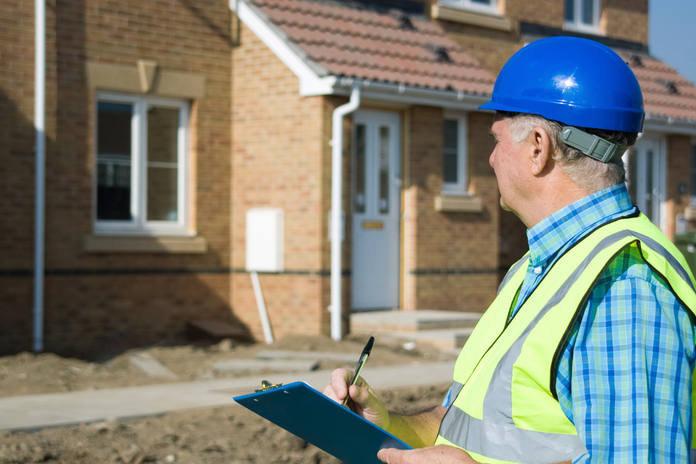
It is common to talk about property valuations and surveys in the same sentence when buying and selling houses. If you are hoping to purchase a property, or you are waiting for a sale to go through, it is important to understand the difference. A valuation survey tells you what a property is worth. A home survey tells you what condition it is in. They are not the same piece of work, and one does not replace the other.
In this article we explain what each one covers, how a mortgage valuation survey fits in, and how to decide which you need.
What is a valuation survey?
A valuation survey is designed to give you an accurate estimate of the value of a house or flat. There are different types of valuation, including estate agent appraisals and valuations carried out by an RICS surveyor under professional standards issued by the RICS (Royal Institution of Chartered Surveyors). The condition of a property is considered when valuing it, but several other factors influence the figure. Key factors include:
- Location
- Size
- Number of bedrooms and bathrooms
- Outdoor space
- Potential to develop or expand
- Local area and proximity to amenities, infrastructure and good schools
- Property features and characteristics
Valuation surveying is the discipline of arriving at that figure in a consistent, evidenced way. An RICS surveyor does not guess. The figure is built from comparable evidence: recent sold prices for similar properties in the area, adjusted for the differences between those homes and the one being valued. If you want to understand how that works, we cover it in what is comparable evidence.
There is often a difference between the valuations you receive for the same property. Estate agent appraisals tend to be higher than a surveyor's valuation, because an agent is pitching for your instruction and a surveyor is giving you a defensible market figure.
It is important to understand that an RICS valuation is not the same as a home survey, and not the same as a mortgage valuation carried out for a lender.
What is a mortgage valuation survey?
A mortgage valuation survey is carried out for the lender, not for you. When you apply for a mortgage, the lender needs to know that the property is worth at least what you are paying, so that the loan is secured against something of adequate value.
That check is often light. It may be a desktop valuation based on data, a drive-by, or a short visit. It confirms the lender's security. It is not a survey of condition, and it will not tell you whether the roof is sound or the property is damp.
Many buyers assume the mortgage valuation survey covers them. It does not. You often pay for it, but it is done to protect the lender. If you want to understand the condition of the property you are buying, you need your own survey. We set the two side by side in survey vs mortgage valuation.
It is also worth knowing that a low mortgage valuation can affect your purchase. If the surveyor values the property below the agreed price, the lender may reduce what it will lend, and you may need to renegotiate or find the gap. We explain why this happens in why a mortgage might be declined after a valuation.
What is a home survey?
A home survey is a written assessment that focuses on the condition of a property. It is designed to provide information about the structure of the building and to flag issues that may need addressing, either immediately or in the future. As a prospective buyer, a survey helps you understand what you are buying and what repairs and costs you may face if you go ahead.
There are different types of RICS survey to suit different properties and budgets. Findings are classified using a traffic light system, with red marks indicating serious problems or issues that need urgent attention, and amber marks indicating matters that need attention but are not urgent.
Level 2 survey
A Level 2 survey (the RICS Home Survey Level 2) provides a more detailed assessment of the property and the significance of any issues found. It suits conventional houses and flats in reasonable condition. The surveyor inspects what can be seen and reached without opening up the building. You can add a valuation to a Level 2 survey if you want both a condition report and a figure.
Level 3 survey
A Level 3 survey (the RICS Home Survey Level 3) is the most comprehensive. It covers all accessible parts of the building, looks more closely at construction and defects, and gives the surveyor's view on the likely cause and the remedial work needed for the red and amber items noted. It suits older, larger, altered or run-down properties.
If you are unsure which level fits the property, our tool below gives a straight recommendation, and Level 2 vs Level 3: which do you need walks through it in more detail.
Survey and valuation: which do you need?
The two serve different purposes. A valuation answers "what is it worth". A survey answers "what condition is it in". Deciding which you need comes down to why you are asking.
When you need a valuation
A valuation of property may be requested by buyers or sellers in circumstances such as:
- You want to put your property up for sale and need a realistic asking price
- You bought a home under the Help to Buy scheme and wish to repay the loan or sell
- You are going through divorce proceedings and need an agreed value for assets
- You bought through Shared Ownership and want to buy a larger share
- You are the executor of a will that includes property, and need a value for probate
- You need a figure for tax, such as capital gains or inheritance tax
When you need a survey
A survey is recommended for almost every buyer. Arranging one lets you learn about the condition of the property before you commit. A survey can reveal issues that are not visible during a viewing, and give you an accurate idea of what you would be taking on in repairs.
It is particularly important to arrange a survey if you are buying an older property, or taking on a project that needs extensive work. A survey can save you money in the long run and stop you meeting costly surprises after you move in. If you are renovating, the surveyor's findings can help you decide which jobs come first.
In many purchases you will come across both: a survey that you arrange to understand the condition, and a mortgage valuation that the lender arranges to protect its loan. The two sit alongside each other and do different jobs. If you want a single document that does both for you, a Level 2 survey with a valuation added is often the practical answer.
Frequently asked questions
What is a valuation survey?
A valuation survey is an assessment of what a property is worth, carried out by an RICS surveyor using comparable evidence of recent sold prices. It gives you a defensible market figure for a purpose such as a sale, tax, probate or a shared ownership staircasing. It is not an inspection of the building's condition.
What is a mortgage valuation survey?
A mortgage valuation survey is a check carried out for a lender to confirm that a property is worth enough to secure the loan. It is often a desktop or drive-by assessment rather than a full inspection. You may pay for it, but it is done for the lender and does not tell you about the condition of the property.
Is a valuation the same as a survey?
No. A valuation tells you what a property is worth. A survey tells you what condition it is in and flags defects. They answer different questions, and one does not replace the other. You can, however, add a valuation to a Level 2 home survey and get both in one instruction.
How much does a valuation survey cost?
The cost depends on the value and type of property and the reason for the valuation. As a guide, a standalone RICS valuation typically starts from a few hundred pounds, and adding a valuation to a home survey usually costs less than buying the two separately. We are happy to give you a fixed quote before you commit.
More on rics home surveys
Energy Efficiency Home Tips: Enhance Your Property’s Performance
In the age of increasing energy costs and growing concerns about our environmental footprint, making your home more energy-efficient is not only a savvy financial move but also a responsible one.
Read →How To Renegotiate An Offer After A Home Survey
For most people, buying a house is the most significant financial move they will make. When you are spending a lot of money on a property, it is natural to want to know if it’s up to scratch.
Read →Should I Use an Online Estate Agent?
Buying or selling a property are usually big moments, so it’s only natural to look at your options when it comes to working with estate agents.
Read →Need a survey on a specific property?
Tell us the address and we will send a fixed price in writing, with no obligation.
Get your fixed quote →