
The most affordable places to buy a home in the UK
Table of Contents In the current housing market, finding a home that fits within a budget has become increasingly challenging, especially in cities where property prices continue to surge.

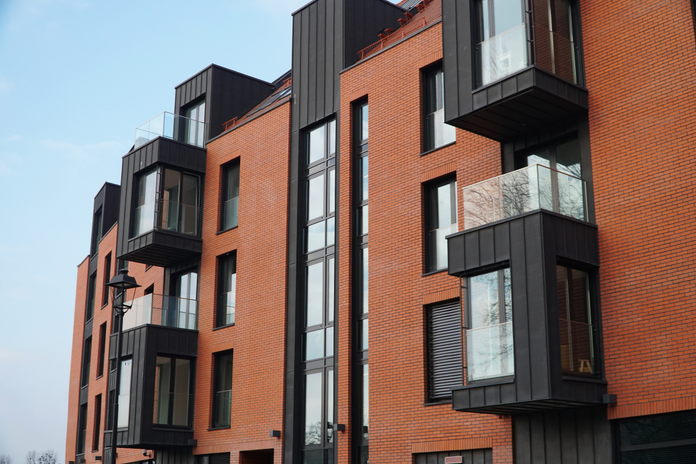
In the current housing market, finding a home that fits within a budget has become increasingly challenging, especially in cities where property prices continue to surge. However, there are still several regions across the UK where the price-to-income ratio remains favourable, offering more affordable options when it comes to deciding where to buy a home.
From using the latest ONS statistics for England and Wales, we’ve found the most affordable places to buy a home in the UK based on the price-to-income ratio. The price-to-income ratio is a useful metric, which calculates the relationship between the median house prices and median income levels in a region. A lower price-to-income ratio suggests that homes are more affordable relative to local incomes, which means it’s a good place to buy if you’re looking to have surplus money to live on!
Where are the most affordable places in the UK for homebuyers?
Based on our calculations using the price-to-income ratio, the BEST places to buy a home if you’re on a budget are:
- Burnley
- Hyndburn
- County Durham
- Hartlepool
- Cumberland
- Blackburn with Darwen
- Blaenau Gwent
- North East Lincolnshire
- Kingston upon Hull, City of
- Rhondda Cynon Taf
Perhaps unsurprisingly, all of these local authorities are in the North of England and Wales. The North West and North East dominate the top seven most affordable places, followed by places in Wales and Yorkshire and the Humber. You can read more about these places below.
1. Burnley (price-to-income ratio = 3.39)
Burnley is known for lots of things, including football, proximity to the Pennines, and a rich industrial history. Its property market has consistently remained one of the most affordable in the UK, with average house prices significantly below the national average. This makes Burnley an attractive destination for first-time buyers looking to invest in property while still enjoying a semi-rural lifestyle.
2. Hyndburn (price-to-income ratio = 3.92)
Situated in Lancashire, Hyndburn offers affordability based on both the price-to-income ratio and when looking at average house prices alone. The area is well-known for its close-knit communities and charming market towns, as well as being close to places like Accrington and Pendle District. It’s a good option for anyone looking to invest in property who loves the idea of villages and countryside over busy city life.
3. County Durham (price-to-income ratio = 4)
With proximity to the university city of Durham and accessibility to larger cities like Newcastle, homes in County Durham offer excellent value for money, particularly for those working in the North East of England. You’re right on the border or Northumberland, which has a beautiful coast as well as castles and historic attractions. And – incredibly – you’re only three hours by train from London, which might make hybrid working in the capital an option.
4. Hartlepool (price-to-income ratio = 4.16)
Hartlepool is a coastal town in the North East that offers an attractive combination of affordable housing and seaside living. The town’s historic dockyard and marina are popular places to explore, while property prices remain relatively low compared to other parts of the UK. Hartlepool is ideal for buyers seeking both affordability and a simple, pleasant coastal environment.
5. Cumberland (price-to-income ratio = 4.25)
Cumberland is known for its countryside landscapes and easy access to the Lake District, is a haven for those who appreciate the outdoors. Despite its stunning surroundings, property prices remain affordable, making it a great option for buyers looking to invest in rural living without stretching their finances too far.
6. Blackburn with Darwen (price-to-income ratio = 4.28)
This area in Lancashire is undergoing significant regeneration, attracting new businesses and investments while maintaining affordable property prices. Blackburn with Darwen combines urban amenities with green spaces, offering a balanced lifestyle for buyers looking to purchase a home at a reasonable price.
7. Blaenau Gwent (price-to-income ratio = 4.3)
Situated in Wales, Blaenau Gwent is another region with excellent affordability. With the rolling Welsh hills as a backdrop, this area provides both beautiful landscapes and low property prices. Blaenau Gwent is particularly appealing to families and retirees seeking tranquility without sacrificing budget.
8. North East Lincolnshire (price-to-income ratio = 4.33)
Known for its port town of Grimsby and access to the Lincolnshire Wolds, North East Lincolnshire offers affordable housing with a similar price-to-income ratio as Blaenau Gwent. The region provides a blend of coastal and countryside living, with house prices being well below the national average at £150,000, making it a good option for those looking for a peaceful lifestyle.
9. Kingston upon Hull, City of (price-to-income ratio = 4.47)
Commonly referred to as Hull, this city has transformed itself in recent years yet still remains an affordable place to buy a home in the UK. Hull’s regeneration efforts have bolstered its reputation, yet property prices remain some of the most competitive in the country. For those looking for city life with ample job opportunities, Hull is an excellent choice.
10. Rhondda Cynon Taf (price-to-income ratio = 4.47)
Located in South Wales, Rhondda Cynon Taf offers some of the most affordable housing options in the country. With its stunning valleys and access to Cardiff, this area combines rural beauty with urban convenience. It’s an excellent choice for homebuyers seeking affordable properties in a region known for its tight-knit communities and beautiful surroundings.
Where are the least affordable places in the UK to buy a home?
It’s hardly shocking to find that the majority of places with the highest price-to-income ratios are based in London:
- Kensington and Chelsea
- Westminster
- Camden
- Hammersmith and Fulham
- Brent
- Richmond upon Thames
- Barnet
- Islington
- Mole Valley
- Hertsmere
Only Mole Valley and Hertsmere are located outside of London, situated in the South East and East of England respectively. Although average earnings are typically higher than in other regions or local districts, the price of homes are still extremely high. This makes them among the least favourable for anyone buying a home on a budget.
Explore more of the affordability of more places in the UK, including the average house price, average salary and respective price-to-income ratios. You can use the table to navigate the list of places, or search for a specific area.
Affordable cities by price-to-income ratio
| Local Authority | Median house price | Median gross annual salary | House-to-salary ratio |
|---|---|---|---|
| Burnley | 105,000 | 30,932 | 3.39 |
| Hyndburn | 122,000 | 31,143 | 3.92 |
| County Durham | 124,998 | 31,218 | 4 |
| Hartlepool | 135,000 | 32,481 | 4.16 |
| Cumberland | 150,000 | 35,298 | 4.25 |
| Blackburn with Darwen | 135,000 | 31,527 | 4.28 |
| Blaenau Gwent | 130,000 | 30,200 | 4.3 |
| North East Lincolnshire | 150,000 | 34,614 | 4.33 |
| Kingston upon Hull, City of | 129,100 | 28,870 | 4.47 |
| Rhondda Cynon Taf | 145,000 | 32,460 | 4.47 |
| Sunderland | 133,000 | 29,359 | 4.53 |
| Neath Port Talbot | 150,000 | 33,092 | 4.53 |
| Merthyr Tydfil | 135,000 | 29,645 | 4.55 |
| Middlesbrough | 135,000 | 29,345 | 4.6 |
| Stoke-on-Trent | 140,000 | 29,700 | 4.71 |
| Gateshead | 150,000 | 31,630 | 4.74 |
| Preston | 158,000 | 33,188 | 4.76 |
| South Tyneside | 146,000 | 30,451 | 4.79 |
| Doncaster | 155,000 | 32,161 | 4.82 |
| Blackpool | 132,500 | 27,256 | 4.86 |
| Knowsley | 170,000 | 34,964 | 4.86 |
| Liverpool | 160,000 | 32,741 | 4.89 |
| Halton | 165,000 | 33,318 | 4.95 |
| Redcar and Cleveland | 152,000 | 30,288 | 5.02 |
| Darlington | 153,500 | 30,561 | 5.02 |
| Stockton-on-Tees | 165,000 | 32,790 | 5.03 |
| Pendle | 133,000 | 26,437 | 5.03 |
| Barnsley | 156,300 | 31,023 | 5.04 |
| Bradford | 160,000 | 31,153 | 5.14 |
| St. Helens | 168,000 | 32,386 | 5.19 |
| Carmarthenshire | 180,000 | 34,296 | 5.25 |
| Caerphilly | 170,000 | 31,962 | 5.32 |
| Calderdale | 170,000 | 31,869 | 5.33 |
| Rotherham | 170,000 | 31,759 | 5.35 |
| North Lincolnshire | 170,000 | 31,269 | 5.44 |
| Wigan | 175,000 | 31,990 | 5.47 |
| Wrexham | 176,000 | 32,013 | 5.5 |
| Swansea | 180,000 | 32,734 | 5.5 |
| Newcastle-under-Lyme | 180,000 | 32,636 | 5.52 |
| Staffordshire Moorlands | 205,000 | 36,977 | 5.54 |
| Rossendale | 170,000 | 30,564 | 5.56 |
| North Tyneside | 185,000 | 33,185 | 5.57 |
| Northumberland | 190,000 | 34,079 | 5.58 |
| Wyre | 185,000 | 32,980 | 5.61 |
| Newcastle upon Tyne | 185,000 | 32,518 | 5.69 |
| Bolton | 180,000 | 31,460 | 5.72 |
| Kirklees | 185,000 | 32,341 | 5.72 |
| Lincoln | 180,000 | 31,430 | 5.73 |
| Rochdale | 180,000 | 31,182 | 5.77 |
| Wirral | 200,000 | 34,498 | 5.8 |
| Chesterfield | 184,000 | 31,567 | 5.83 |
| Flintshire | 195,000 | 33,444 | 5.83 |
| Torfaen | 180,000 | 30,832 | 5.84 |
| Bassetlaw | 186,000 | 31,270 | 5.95 |
| Derby | 197,500 | 32,977 | 5.99 |
| Gwynedd | 185,000 | 30,847 | 6 |
| South Ribble | 197,000 | 32,713 | 6.02 |
| Lancaster | 185,000 | 30,606 | 6.04 |
| Ashfield | 182,000 | 30,122 | 6.04 |
| Bridgend | 195,000 | 32,206 | 6.05 |
| Oldham | 180,000 | 29,560 | 6.09 |
| Mansfield | 175,000 | 28,743 | 6.09 |
| Fylde | 230,000 | 37,399 | 6.15 |
| Sheffield | 205,000 | 33,306 | 6.16 |
| Wakefield | 185,000 | 29,966 | 6.17 |
| Erewash | 209,000 | 33,690 | 6.2 |
| Chorley | 205,000 | 32,845 | 6.24 |
| Sefton | 210,000 | 33,676 | 6.24 |
| Denbighshire | 185,000 | 29,641 | 6.24 |
| Coventry | 220,000 | 34,925 | 6.3 |
| Tameside | 195,000 | 30,909 | 6.31 |
| Bolsover | 166,000 | 26,195 | 6.34 |
| East Riding of Yorkshire | 215,000 | 33,512 | 6.42 |
| South Derbyshire | 240,000 | 37,326 | 6.43 |
| Telford and Wrekin | 215,000 | 33,332 | 6.45 |
| North Warwickshire | 240,000 | 37,231 | 6.45 |
| Conwy | 210,000 | 32,530 | 6.46 |
| West Lancashire | 225,000 | 34,722 | 6.48 |
| Ribble Valley | 254,000 | 39,069 | 6.5 |
| Boston | 197,500 | 30,388 | 6.5 |
| West Lindsey | 220,000 | 33,581 | 6.55 |
| Nottingham | 187,150 | 28,357 | 6.6 |
| Stafford | 245,000 | 37,103 | 6.6 |
| Walsall | 200,000 | 30,295 | 6.6 |
| Newark and Sherwood | 229,950 | 34,766 | 6.61 |
| Newport | 218,000 | 32,819 | 6.64 |
| Westmorland and Furness | 225,000 | 33,684 | 6.68 |
| East Staffordshire | 209,200 | 31,203 | 6.7 |
| Plymouth | 211,750 | 31,615 | 6.7 |
| Pembrokeshire | 218,250 | 32,585 | 6.7 |
| Amber Valley | 220,000 | 32,764 | 6.71 |
| Cannock Chase | 212,000 | 31,390 | 6.75 |
| Wolverhampton | 199,950 | 29,621 | 6.75 |
| Sandwell | 200,000 | 29,594 | 6.76 |
| Leeds | 230,000 | 33,946 | 6.78 |
| Bury | 224,500 | 33,051 | 6.79 |
| Isle of Anglesey | 225,000 | 33,150 | 6.79 |
| Salford | 215,000 | 31,612 | 6.8 |
| Great Yarmouth | 220,000 | 32,130 | 6.85 |
| Fenland | 232,000 | 33,771 | 6.87 |
| Tamworth | 240,000 | 34,878 | 6.88 |
| Dudley | 219,000 | 31,635 | 6.92 |
| Gedling | 235,000 | 33,912 | 6.93 |
| Cheshire West and Chester | 245,000 | 35,240 | 6.95 |
| Worcester | 250,000 | 35,543 | 7.03 |
| Norwich | 235,000 | 33,429 | 7.03 |
| North East Derbyshire | 235,000 | 33,235 | 7.07 |
| Birmingham | 224,950 | 31,829 | 7.07 |
| Manchester | 230,000 | 32,507 | 7.08 |
| Peterborough | 235,000 | 32,941 | 7.13 |
| Broxtowe | 247,500 | 34,686 | 7.14 |
| East Lindsey | 216,000 | 30,229 | 7.15 |
| Powys | 235,000 | 32,762 | 7.17 |
| South Holland | 240,000 | 33,179 | 7.23 |
| Warrington | 250,000 | 34,400 | 7.27 |
| Cardiff | 250,000 | 34,274 | 7.29 |
| North Kesteven | 245,000 | 33,570 | 7.3 |
| Ipswich | 243,750 | 33,346 | 7.31 |
| South Staffordshire | 277,250 | 37,728 | 7.35 |
| Ceredigion | 235,000 | 31,894 | 7.37 |
| North West Leicestershire | 260,000 | 35,206 | 7.39 |
| High Peak | 249,000 | 33,634 | 7.4 |
| Lichfield | 295,000 | 39,811 | 7.41 |
| Nuneaton and Bedworth | 220,000 | 29,694 | 7.41 |
| Hinckley and Bosworth | 250,000 | 33,519 | 7.46 |
| Swindon | 265,000 | 35,327 | 7.5 |
| Cheshire East | 272,500 | 36,046 | 7.56 |
| Wyre Forest | 235,000 | 30,998 | 7.58 |
| Forest of Dean | 291,250 | 38,299 | 7.6 |
| Southampton | 252,000 | 33,101 | 7.61 |
| Stockport | 285,000 | 37,390 | 7.62 |
| Rugby | 285,000 | 37,309 | 7.64 |
| Shropshire | 265,000 | 34,198 | 7.75 |
| Charnwood | 267,500 | 34,379 | 7.78 |
| Gloucester | 245,000 | 31,475 | 7.78 |
| Eastbourne | 287,750 | 36,629 | 7.86 |
| Gosport | 255,000 | 32,354 | 7.88 |
| South Kesteven | 255,000 | 32,233 | 7.91 |
| Redditch | 245,000 | 30,957 | 7.91 |
| North Northamptonshire | 254,000 | 31,998 | 7.94 |
| Portsmouth | 260,000 | 32,591 | 7.98 |
| North Yorkshire | 263,000 | 32,824 | 8.01 |
| Blaby | 270,000 | 33,566 | 8.04 |
| Leicester | 230,000 | 28,390 | 8.1 |
| Swale | 300,500 | 36,859 | 8.15 |
| Breckland | 265,000 | 31,807 | 8.33 |
| Vale of Glamorgan | 284,000 | 34,097 | 8.33 |
| Melton | 257,250 | 30,705 | 8.38 |
| Medway | 300,000 | 35,800 | 8.38 |
| West Suffolk | 285,000 | 33,980 | 8.39 |
| Tendring | 280,000 | 33,312 | 8.41 |
| King’s Lynn and West Norfolk | 275,000 | 32,500 | 8.46 |
| West Northamptonshire | 289,000 | 34,118 | 8.47 |
| Solihull | 330,000 | 38,942 | 8.47 |
| Warwick | 350,000 | 41,242 | 8.49 |
| Southend-on-Sea | 335,000 | 39,260 | 8.53 |
| Dover | 300,000 | 35,054 | 8.56 |
| East Suffolk | 292,500 | 33,958 | 8.61 |
| Rushcliffe | 330,000 | 38,031 | 8.68 |
| Malvern Hills | 330,000 | 37,895 | 8.71 |
| Basingstoke and Deane | 345,000 | 39,564 | 8.72 |
| Torbay | 257,500 | 29,459 | 8.74 |
| Huntingdonshire | 310,000 | 35,405 | 8.76 |
| Bedford | 325,000 | 36,926 | 8.8 |
| Eastleigh | 330,000 | 37,401 | 8.82 |
| Mid Devon | 293,000 | 33,232 | 8.82 |
| South Norfolk | 307,000 | 34,726 | 8.84 |
| Somerset | 285,000 | 32,235 | 8.84 |
| Central Bedfordshire | 360,000 | 40,647 | 8.86 |
| North Somerset | 320,000 | 35,998 | 8.89 |
| Milton Keynes | 330,000 | 36,975 | 8.92 |
| Folkestone and Hythe | 320,000 | 35,882 | 8.92 |
| Mid Suffolk | 310,000 | 34,728 | 8.93 |
| Fareham | 350,000 | 39,039 | 8.97 |
| Bromsgrove | 345,000 | 38,416 | 8.98 |
| Monmouthshire | 320,000 | 35,589 | 8.99 |
| Colchester | 325,000 | 36,125 | 9 |
| Gravesham | 355,000 | 39,415 | 9.01 |
| Cornwall | 295,000 | 32,715 | 9.02 |
| Cheltenham | 325,000 | 35,973 | 9.03 |
| Broadland | 310,000 | 34,293 | 9.04 |
| Rutland | 342,500 | 37,809 | 9.06 |
| Derbyshire Dales | 335,000 | 36,908 | 9.08 |
| Tewkesbury | 315,000 | 34,638 | 9.09 |
| Hastings | 290,000 | 31,821 | 9.11 |
| South Gloucestershire | 332,500 | 36,467 | 9.12 |
| Braintree | 335,000 | 36,674 | 9.13 |
| Trafford | 350,000 | 38,036 | 9.2 |
| East Cambridgeshire | 337,998 | 36,754 | 9.2 |
| Wiltshire | 322,000 | 34,952 | 9.21 |
| Rochford | 390,000 | 42,223 | 9.24 |
| Harborough | 327,000 | 35,363 | 9.25 |
| Luton | 307,000 | 33,033 | 9.29 |
| Exeter | 305,000 | 32,827 | 9.29 |
| York | 300,000 | 32,251 | 9.3 |
| North Hertfordshire | 405,000 | 43,397 | 9.33 |
| Herefordshire, County of | 293,998 | 31,449 | 9.35 |
| Oadby and Wigston | 275,000 | 29,339 | 9.37 |
| Test Valley | 359,975 | 38,345 | 9.39 |
| Cherwell | 353,000 | 37,518 | 9.41 |
| Stroud | 330,750 | 35,032 | 9.44 |
| Reading | 350,000 | 36,861 | 9.5 |
| Isle of Wight | 275,000 | 28,949 | 9.5 |
| Wychavon | 325,000 | 34,177 | 9.51 |
| Thanet | 312,000 | 32,622 | 9.56 |
| Torridge | 290,000 | 30,328 | 9.56 |
| Thurrock | 350,000 | 36,334 | 9.63 |
| Basildon | 355,000 | 36,802 | 9.65 |
| East Hertfordshire | 450,000 | 46,216 | 9.74 |
| North Devon | 301,500 | 30,800 | 9.79 |
| Bexley | 425,000 | 43,362 | 9.8 |
| Brentwood | 489,995 | 49,961 | 9.81 |
| Bristol, City of | 350,000 | 35,685 | 9.81 |
| West Berkshire | 395,000 | 40,172 | 9.83 |
| East Devon | 350,000 | 35,606 | 9.83 |
| Rushmoor | 350,000 | 35,565 | 9.84 |
| Hart | 467,000 | 47,083 | 9.92 |
| West Devon | 299,950 | 30,246 | 9.92 |
| Stevenage | 335,000 | 33,590 | 9.97 |
| Havant | 322,500 | 32,329 | 9.98 |
| Crawley | 345,010 | 34,385 | 10.03 |
| Stratford-on-Avon | 369,500 | 36,763 | 10.05 |
| Dartford | 375,500 | 37,243 | 10.08 |
| Bath and North East Somerset | 385,000 | 38,192 | 10.08 |
| South Cambridgeshire | 425,000 | 42,141 | 10.09 |
| Bracknell Forest | 390,000 | 38,565 | 10.11 |
| Bournemouth, Christchurch and Poole | 340,000 | 33,626 | 10.11 |
| Tonbridge and Malling | 405,000 | 39,999 | 10.13 |
| Vale of White Horse | 395,000 | 38,811 | 10.18 |
| Surrey Heath | 452,500 | 44,148 | 10.25 |
| Dorset | 353,000 | 34,428 | 10.25 |
| Harlow | 327,500 | 31,819 | 10.29 |
| Teignbridge | 300,000 | 29,110 | 10.31 |
| Croydon | 425,050 | 41,204 | 10.32 |
| Canterbury | 360,000 | 34,823 | 10.34 |
| Runnymede | 450,000 | 43,304 | 10.39 |
| West Oxfordshire | 379,900 | 36,330 | 10.46 |
| Watford | 410,000 | 38,981 | 10.52 |
| Slough | 380,000 | 35,956 | 10.57 |
| Worthing | 355,000 | 33,541 | 10.58 |
| Ashford | 350,000 | 32,841 | 10.66 |
| Castle Point | 362,500 | 33,865 | 10.7 |
| Babergh | 331,250 | 30,901 | 10.72 |
| New Forest | 395,000 | 36,825 | 10.73 |
| Maldon | 373,000 | 34,656 | 10.76 |
| Mid Sussex | 437,600 | 40,611 | 10.78 |
| Maidstone | 360,000 | 33,369 | 10.79 |
| South Oxfordshire | 446,000 | 41,244 | 10.81 |
| Wealden | 375,750 | 34,735 | 10.82 |
| North Norfolk | 308,000 | 28,433 | 10.83 |
| Uttlesford | 450,000 | 41,495 | 10.84 |
| Welwyn Hatfield | 435,000 | 40,006 | 10.87 |
| Havering | 450,000 | 41,394 | 10.87 |
| Chelmsford | 395,000 | 36,252 | 10.9 |
| Wokingham | 495,000 | 45,431 | 10.9 |
| Barking and Dagenham | 380,000 | 34,654 | 10.97 |
| Dacorum | 435,000 | 39,475 | 11.02 |
| Spelthorne | 450,000 | 40,579 | 11.09 |
| Epping Forest | 502,250 | 44,990 | 11.16 |
| Lewes | 400,000 | 35,757 | 11.19 |
| Tower Hamlets | 495,000 | 44,203 | 11.2 |
| Bromley | 520,000 | 46,370 | 11.21 |
| Woking | 475,000 | 42,326 | 11.22 |
| Sevenoaks | 465,000 | 41,239 | 11.28 |
| Broxbourne | 430,000 | 37,955 | 11.33 |
| South Hams | 385,000 | 33,941 | 11.34 |
| East Hampshire | 430,000 | 37,879 | 11.35 |
| Buckinghamshire | 450,000 | 39,497 | 11.39 |
| Newham | 437,750 | 38,395 | 11.4 |
| Reigate and Banstead | 475,000 | 41,387 | 11.48 |
| Greenwich | 466,700 | 40,505 | 11.52 |
| Adur | 380,000 | 32,997 | 11.52 |
| Rother | 361,000 | 31,019 | 11.64 |
| Lewisham | 475,000 | 40,760 | 11.65 |
| Sutton | 465,000 | 39,692 | 11.72 |
| Tunbridge Wells | 440,000 | 37,040 | 11.88 |
| Hillingdon | 488,975 | 40,852 | 11.97 |
| Arun | 360,000 | 30,031 | 11.99 |
| Tandridge | 500,000 | 41,654 | 12 |
| Horsham | 450,000 | 37,313 | 12.06 |
| Winchester | 490,000 | 40,600 | 12.07 |
| Chichester | 430,000 | 35,598 | 12.08 |
| Oxford | 455,000 | 37,617 | 12.1 |
| Cotswold | 440,000 | 36,234 | 12.14 |
| Cambridge | 500,000 | 40,914 | 12.22 |
| Enfield | 475,000 | 38,543 | 12.32 |
| Waverley | 575,000 | 46,689 | 12.32 |
| Southwark | 541,000 | 43,751 | 12.37 |
| Brighton and Hove | 430,000 | 34,741 | 12.38 |
| Kingston upon Thames | 575,000 | 46,020 | 12.49 |
| Lambeth | 550,000 | 43,422 | 12.67 |
| Redbridge | 506,500 | 39,931 | 12.68 |
| Guildford | 510,000 | 40,142 | 12.7 |
| Windsor and Maidenhead | 530,000 | 41,283 | 12.84 |
| Hounslow | 500,000 | 38,534 | 12.98 |
| Wandsworth | 660,659 | 50,742 | 13.02 |
| Epsom and Ewell | 543,000 | 41,673 | 13.03 |
| Elmbridge | 650,000 | 48,664 | 13.36 |
| St Albans | 640,000 | 47,641 | 13.43 |
| Waltham Forest | 517,000 | 38,248 | 13.52 |
| Merton | 550,000 | 39,965 | 13.76 |
| Harrow | 560,000 | 40,552 | 13.81 |
| Hackney | 590,000 | 42,522 | 13.88 |
| Three Rivers | 560,000 | 39,416 | 14.21 |
| Haringey | 585,000 | 40,897 | 14.3 |
| Ealing | 549,480 | 38,097 | 14.42 |
| Hertsmere | 555,000 | 38,089 | 14.57 |
| Mole Valley | 600,000 | 40,823 | 14.7 |
| Islington | 667,000 | 45,021 | 14.82 |
| Barnet | 608,000 | 40,961 | 14.84 |
| Richmond upon Thames | 735,000 | 48,875 | 15.04 |
| Brent | 562,500 | 36,774 | 15.3 |
| Hammersmith and Fulham | 765,000 | 44,918 | 17.03 |
| Camden | 770,000 | 44,973 | 17.12 |
| Westminster | 975,000 | 51,009 | 19.11 |
| Kensington and Chelsea | 1,275,000 | 50,278 | 25.36 |
Why is it important to consider the price-to-income ratio when buying a home?
The price-to-income ratio is essential for homebuyers because it measures how affordable housing is in relation to local earnings. A lower ratio means that homes are more affordable compared to incomes, allowing buyers to allocate less of their earnings toward housing costs. This gives individuals more financial flexibility for other expenses, such as savings or daily living costs, and reduces the likelihood of financial strain. For buyers, this metric provides a realistic understanding of whether they can afford to live comfortably in a particular region.
Beyond individual affordability, the price-to-income ratio is also important for assessing regional housing market stability. High ratios can signal potential risks like housing bubbles or an affordability crisis, while lower ratios suggest a more balanced and sustainable market. This isn’t always the case of course, but it’s typically a good indication to go by.
While finding an affordable home is a great first step, it’s equally important to ensure that your investment is a sound one. No matter how low the price-to-income ratio or how attractive the deal, properties can still have hidden issues that may lead to expensive repairs down the road.
A homebuyer’s survey helps you uncover any potential structural problems, defects, or maintenance concerns before you commit to purchasing. By investing in a survey, you gain peace of mind, safeguard your financial future, and potentially leverage the survey results to negotiate a better price. Don’t skip this crucial step—protect your investment by contacting CJ Bloor and making sure your dream home is built to last.
More on news
House Price Changes: Recent data shows that average house prices rose by 0.2% in June 2024
Understanding Recent Changes in House Prices: June 2024 Analysis The UK housing market has long been a topic of interest for homeowners, potential buyers, investors, and professionals in the property and construction industry.
Read →The Future of London’s Built Environment with AI Integration
Artificial intelligence (AI) is revolutionising numerous industries, and real estate is no exception.
Read →Labour plans to immediately abolish Section 21 “no fault” evictions
Labour’s Pledge to Abolish Section 21 “No Fault” Evictions: Implications for Tenants and Landlords The UK rental market is set for a significant overhaul as the Labour Party has pledged to abolish Section 21 “no fault” evictions.
Read →Need a survey on a specific property?
Tell us the address and we will send a fixed price in writing, with no obligation.
Get your fixed quote →