
Drone Property Inspections: A Practical Guide for Commercial and Residential Buildings
How drone inspections work, when they suit roofs and facades, the rules that apply, and how they fit within a professional building survey.
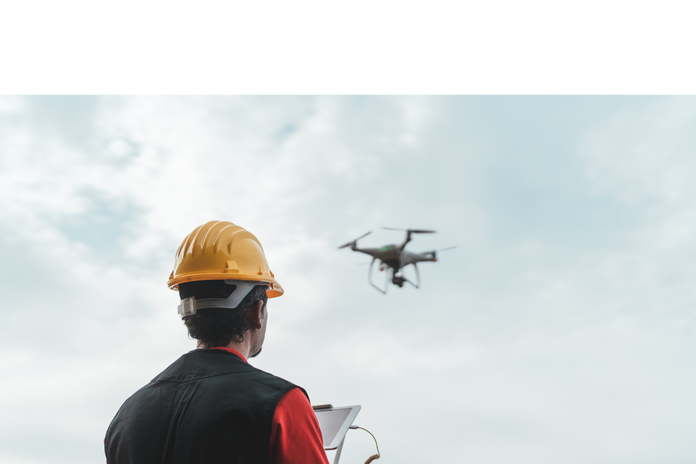
Drone technology is increasingly being used across the UK property sector to inspect buildings quickly, safely, and with minimal disruption. A drone inspection lets a surveyor assess roofs, façades, and other difficult-to-access areas without the need for scaffolding or specialist access equipment.
For property owners, landlords, and managing agents, drone inspections can provide valuable insight into the condition of a building while reducing cost, health and safety risks.
This guide explains how drone inspections work, when they are appropriate, regulatory requirements, and how they fit within professional building surveys.
What Is a Drone Inspection?
A drone inspection is a property inspection carried out using an unmanned aerial vehicle (UAV) equipped with a high-resolution camera. The drone captures detailed photographs and video of building elements that are difficult to view from ground level.
The imagery is then reviewed by a qualified building surveyor to identify potential defects or maintenance issues.
Drone inspections are commonly used to assess:
- Roof coverings (tiles, slates, metal sheets)
- Flat roofing systems, Chimneys and parapets
- Gutters and rainwater goods
- High-level brickwork or cladding
- Solar panel installations
- Warehouse and industrial roofing systems
Because drones can safely approach elevated areas, they provide far more detailed visual information than traditional ground-based inspections.
How Is a Drone Inspection Done?
A professional drone inspection typically follows several structured steps.
1. Site Assessment and Flight Planning
Before the inspection takes place, the drone operator conducts a risk assessment. This includes checking local airspace restrictions, identifying hazards such as nearby buildings or power lines, and planning safe flight paths.
Weather conditions are also assessed to ensure safe operation.
2. Drone Deployment
The drone is launched from a safe ground position and flown around the building to capture high-resolution imagery. Surveyors can direct the drone to focus on specific areas of concern, such as roof valleys, flashing, or drainage systems.
Modern drones allow operators to capture extremely detailed close-up images while maintaining safe flight distances.
3. Image and Video Capture
The drone records high-definition photographs and video footage of the property. In some cases, thermal imaging cameras may also be used to detect moisture intrusion, insulation defects, or heat loss.
4. Surveyor Analysis and Reporting
Once the inspection is complete, the imagery is reviewed by a qualified building surveyor who identifies defects and assesses the condition of the building elements inspected.
Depending on the instruction, the findings may then be incorporated into a:
- Building survey
- Condition report
- Dilapidations assessment
- Specific defect analysis
Regulatory Requirements for a Drone Inspection
Drones are not a free-for-all. In the UK they are regulated by the Civil Aviation Authority, and anyone flying a drone for a building inspection is expected to hold the right operator registration and flyer competence for the aircraft they use.
The practical points that affect a drone inspection are:
- The operator has to keep the drone within safe distances of people, property and roads that are not under their control.
- Airspace restrictions apply near airports, military sites and some city-centre and heritage locations, and may need special permission or rule out a flight altogether.
- The operator should carry appropriate insurance for commercial drone work.
- Weather and light have to be suitable on the day, so a flight can be delayed at short notice.
A reputable operator will confirm all of this before turning up. If you are instructing a drone building inspection, it is fair to ask what registration and insurance the operator holds.
Why Use Drone Inspections?
Drone inspections provide several advantages compared to traditional high-level inspection methods.
Improved Safety
Traditional roof inspections often require working at height using scaffolding or cherry pickers. Drone inspections significantly reduce the need for surveyors to access dangerous areas.
Faster Inspections
Drone surveys can usually be completed much more quickly than traditional inspections. This allows building condition assessments to be carried out with minimal disruption to occupants.
Reduced Access Costs
Scaffolding or mobile elevated work platforms can be expensive to arrange. Drone inspections often eliminate the need for these temporary access structures.
High-Resolution Visual Evidence
The detailed imagery captured during drone inspections allows surveyors to document defects clearly. This can be particularly useful when preparing technical reports or supporting insurance claims.
When Are Drone Inspections Most Appropriate?
Drone inspections are particularly useful for buildings where traditional access is difficult, expensive, or potentially unsafe, or when you have particular concerns about the roof. Common examples include:
- Residential properties over 50 years old
- Properties > 2 storeys
- Large commercial warehouses
- Industrial buildings
- Multi-storey residential blocks
- Office buildings
- Churches or heritage structures
- Retail parks
- Apartment developments
They are also frequently used as an initial diagnostic inspection before more detailed investigations are undertaken.
Drone Commercial Property Inspection and Dilapidations
A drone commercial property inspection is often the quickest way to record the condition of a large or high roof without shutting down the site below. High-level building elements are frequently involved in dilapidations disputes between landlords and tenants, and clear imagery helps both sides see the same thing.
Aerial building inspections can assist surveyors in documenting the condition of:
Roof coverings
Gutters and drainage systems
External façades
Cladding systems
The imagery captured provides a clear visual record of condition at a specific point in time, which can support professional advice and negotiations during the dilapidations process.
Advantages and Limitations of Drone Inspections
Drone technology has become an increasingly valuable tool within the property surveying industry. By allowing surveyors to capture high-resolution imagery of difficult-to-access areas, drones can significantly improve the efficiency and safety of building inspections.
Advantages of Drone Inspections
- One of the primary advantages of drone inspections is improved safety. Traditional roof inspections often require surveyors to work at height using ladders, scaffolding, or mobile elevated work platforms. Drones allow surveyors to assess high-level elements from the ground, reducing the need for hazardous access.
- Drone inspections can also reduce inspection costs. Erecting scaffolding purely for inspection purposes can be expensive, particularly for large commercial buildings. In many cases, a drone inspection can provide the necessary visual information without the need for temporary access equipment.
- Another key benefit is the quality of visual documentation. Modern drones capture high-resolution photographs and video footage that allow surveyors to closely examine roof coverings, flashing, gutters, and other external building elements. These images can be incorporated directly into professional survey reports and provide a useful visual record of building condition.
- Drone inspections are also fast and minimally disruptive. Inspections can usually be carried out quickly without affecting building occupants, tenants, or business operations.
Limitations of Drone Inspections
Despite their advantages, drone inspections do have limitations.
- Firstly, drones provide visual inspections only. They cannot physically test building materials or inspect concealed elements of the structure. In some cases, further investigation may still require traditional access or intrusive inspection methods.
- Weather conditions can also affect drone operations. Strong winds, heavy rain, or poor visibility may prevent flights from taking place safely.
- Environmental restrictions and airspace regulations may also limit where drones can be operated. Certain locations, such as areas near airports, military sites, or densely populated urban environments, may be subject to no-fly zones or require special permissions before a drone inspection can take place
- Finally, drone inspections must always be interpreted by a qualified surveyor. While drones capture valuable imagery, it is professional surveying expertise that determines the significance of any defects identified.
For these reasons, drone inspections should be viewed as a complementary inspection method rather than a complete replacement for traditional surveying techniques.
Drone Inspections vs Scaffolding Access
When inspecting roofs and other high-level building elements, surveyors have traditionally relied on ladders, scaffolding or mobile elevated work platforms. While these methods remain essential in some situations, drone technology now provides an efficient alternative for many types of inspections.
Drone Inspections
When they are most suitable
Drone inspections are particularly useful where the aim is to visually assess the condition of a building without carrying out intrusive works. They are often a practical option for large commercial roofs, warehouse buildings, apartment blocks, churches, office buildings, and retail premises.
Because drones can capture close-up imagery without the need for physical access, inspections can often be completed more quickly, with less disruption and at a lower cost.
Scaffolding Access
When it is still required
Scaffolding or specialist access equipment may still be needed when repairs are planned, where materials need to be physically examined, or when more intrusive investigation is necessary. This type of access remains important where a closer inspection or testing of building elements is required.
In many cases, scaffolding is best used after a drone inspection has already identified a specific area of concern.
A combined approach often offers the best value
In practice, drone inspections are often used as a first-stage assessment tool. If defects are identified, targeted scaffolding or specialist access equipment can then be arranged to investigate the problem in more detail. This approach can help reduce unnecessary access costs while ensuring the property is properly assessed.
A drone inspection is one tool among several. It sits alongside a full RICS survey rather than replacing it: for how the survey levels differ, see our guides on which level of survey you should get and what a "structural survey" actually is. If the roof is your main worry, our guide to pitched roof coverings explains what surveyors look for.
Frequently asked questions
Can a drone inspection replace a full building survey?
No. A drone inspection is a visual check of high-level areas, and it cannot test materials, lift coverings or look at concealed structure. It works best alongside a full survey, giving a clear view of the roof and other areas that would otherwise need scaffolding.
Do you need permission to fly a drone for a building inspection?
The operator has to be registered with the Civil Aviation Authority and hold the right flyer competence, and they must keep safe distances from people and property. Some locations near airports, military sites or busy urban areas are restricted and may need special permission or rule a flight out entirely.
Are drone inspections suitable for homes as well as commercial buildings?
Yes. Aerial building inspections suit tall houses, properties with steep or complex roofs, and older homes where the roof is a concern. They are also used for large commercial and industrial buildings, apartment blocks and heritage structures.
What can stop a drone inspection going ahead on the day?
Weather is the usual reason. Strong winds, heavy rain or poor visibility can make a flight unsafe, so it may be delayed at short notice. Airspace restrictions at the location can also prevent a flight.
Does a drone inspection need a qualified surveyor?
The imagery is only half the job. A qualified RICS surveyor still has to interpret what the drone captures and judge what any defect means for the building and for you as the buyer or owner.
More on advice
Seller’s Surveys: Complete Guide and What They Mean for Homebuyers
Buying a home in England and Wales could soon look very different.
Read →Foundation Movement: Understanding and Mitigating Risks
Understanding Foundation Movement and Mitigating Risks Foundation movement is a significant concern for homeowners, builders, and property consultants.
Read →Soil Types and Their Impact on Foundation Design
Understanding the Impact of Soil Types on Foundation Design in the UK When it comes to constructing a building, one of the most critical aspects to consider is the type of soil on which the structure will be built.
Read →Need a survey on a specific property?
Tell us the address and we will send a fixed price in writing, with no obligation.
Get your fixed quote →