
Pitched Roof Coverings
Common Defects on Pitched Roof Coverings Pitched roofs are a defining feature of UK homes, offering charm and robust protection against the elements.

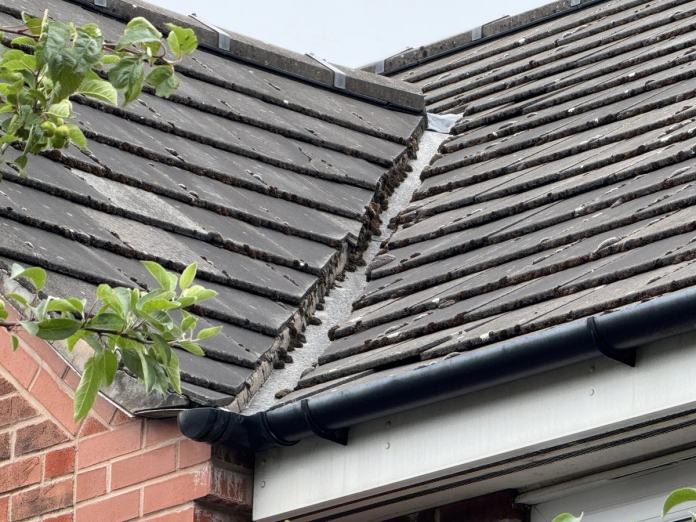
Common Defects on Pitched Roof Coverings
Pitched roofs are a defining feature of UK homes, offering charm and robust protection against the elements. Yet underneath those tiles lies a host of potential issues that, if undetected, can lead to damp, degradation, and costly repairs. This article explores the most common non‑structural defects found on pitched roofs—excluding structural components, rainwater goods, and ventilation—and explains how a thorough RICS Home Survey (homebuyer’s) is your best defence when purchasing a property.
Typical Non‑Structural Defects on Pitched Roofs
Damaged, slipped or missing tiles/slates Tiles and slates can crack, become loose or fall out entirely due to age, wind or settlement. Missing pieces compromise the roof’s weatherproofing.
Cracked or loose ridge and hip tiles Ridges and hips are vulnerable to mortar deterioration or movement. Loose or broken pieces here may allow water entry at high‑stress areas.
Deteriorated or missing mortar pointing Pointing on ridges, hips and verges can perish with time, leaving gaps through which wind‑driven rain can penetrate.
Split or inadequately fixed flashings Lead, zinc or alternative flashing materials may split, lift or be poorly secured—especially where roofs abut chimneys, walls, or intersect—which undermines the waterproof seal.
Perished sarking felt at eaves The felt beneath tiles (visible at the eaves or lying in gutters) often deteriorates from UV, rain and frost, causing loss of secondary protection.
Perished or damaged underlay (roofing felt) Roofing felt under the tiles may decompose or tear, exposing the internal roof structure to moisture.
Blocked or debris‑laden roof valleys Valleys accumulate leaves, twigs or moss, which trap moisture and can accelerate waterproof layer decay.
Improperly sealed roof penetrations Rooflights, flues, vents or similar features require precise sealing. Poor installation allows leaks around the perimeter.
Inadequate verge detailing Missing undercloak, exposed verge edges or lack of finishing can let rain reach vulnerable elements, impacting durability.
Poorly matched or temporary patch repairs Quick fixes that are mismatched in material or technique often degrade quickly, and can look untidy or be ineffective.
Biological growth on tiles Moss, lichen and algae trap moisture against tiles, causing surface damage, frost impact and encouraging further deterioration.
Frost‑damaged tiles Frost action can spall or roughen tile surfaces—tiny blemishes that grow over time and allow water infiltration.
Missing or failed mortar fillets at junctions Mortar fillets at abutments—such as where roof meets wall—may degrade or fall out, leading to direct water entry.
Loose or displaced verge/eaves tiles Tiles at the edges of the roof can lift in wind or shift with settlement—creating vulnerable zones.
Debris under roof coverings Organic or inorganic debris trapped beneath tile layers can retain moisture, compromising underlay integrity.
The Value of a RICS Home Survey
A RICS Home Survey is an essential tool when considering the purchase of a property. It’s designed to give buyers confidence, highlighting key issues—such as those above—before completion.
During the inspection, the surveyor will:
- Visually examine the roof covering and its components, including tiles, ridges, verges and flashings.
- Report on visible evidence of deterioration—such as cracked or displaced tiles, perished pointing, or poor flashing.
- Identify sarking felt decay or underlay loss, especially where visible beneath cover or protruding at eaves.
- Note biological growth or debris in valleys and tile courses which may retain unwanted moisture.
- Check roof penetrations (rooflights, flues) for inadequate sealing.
- Observe frost‑damage patterns or degraded mortar fillets at junctions.
- Flag temporary or incongruous patch repairs that may need further attention.
- Detail the condition of verge and eaves detailing, calling out missing undercloak or displaced tiles.
These observations are compiled into a clear, professional report. You’ll gain insight into which defects are immediate concerns and which warrant closer investigation.
At CJ Bloor Property Consultants, our team specialises in RICS‑compliant Home Surveys.
Engaging our Level 2 Homebuyer’s Survey means you benefit not only from technical insight, but also from the experience and professionalism of our surveyors, helping you to negotiate confidently or budget for later maintenance.
We also offer Level 3 Building Surveys for properties requiring a deeper understanding, supported by our full range of defect‑diagnostic services. Explore our homebuyer survey service, or learn about our Level 3 Building Survey.
Why This Matters for You as a Buyer
Understanding these common pitched‑roof defects helps you spot potential problems early—and a Home Survey helps ensure nothing significant goes unnoticed. You’re investing in more than bricks and beams; you’re investing in assurance about the condition and longevity of your future home. Harnessing the expertise of CJ Bloor Property Consultants ensures clarity, confidence and control at a critical stage in your purchase.
A well‑maintained pitched roof protects the rest of the property—and your peace of mind.
More on common defects
Flat Roofs
A plain guide to flat roofs on UK homes: the materials, the common defects, when repair is enough and when a flat roof replacement is due.
Read →Subsidence
Recognising subsidence: the word every buyer dreads. What it actually is, how to tell it from settlement, and what happens next if a survey finds it.
Read →Cavity Wall Tie Failure
Cavity wall tie failure is concealed, gradual and common in a band of 1920s to 1970s housing. Here is how a surveyor spots it, how it is confirmed and what repair involves.
Read →Need a survey on a specific property?
Tell us the address and we will send a fixed price in writing, with no obligation.
Get your fixed quote →