
Estate Agent or RICS Valuation for Probate? When Each Is Enough
Whether an estate agent's figure is enough for probate or you need a RICS valuation: what HMRC actually asks for, how the figure reaches the Valuation Office, when an agent appraisal is usually fine, and the cases where a formal valuation protects the executor.

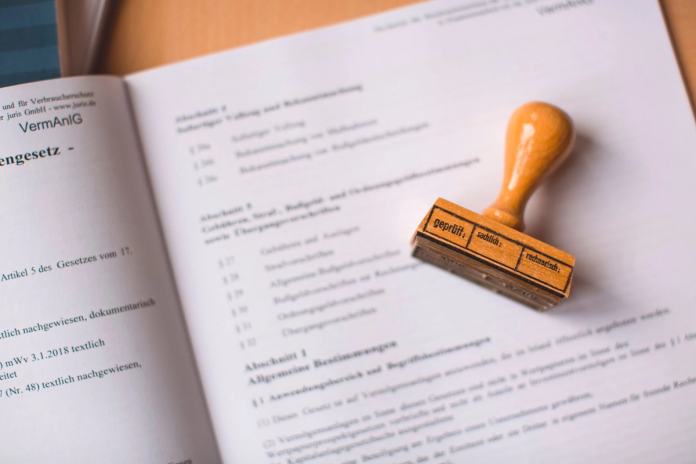
Most executors meet the same question in the first few weeks: do we need an official valuation of the house for probate, or will the estate agent's figure do? Some solicitors ask for a RICS valuation as a matter of course; others are content with three agents' appraisals.
This guide sets out what HMRC actually asks for, where an agent's figure is usually acceptable, where it tends to come unstuck, and how to get the most from whichever you choose. It covers England and Wales. It is not legal or tax advice, and the solicitor or accountant handling the estate will advise on your own case.
What HMRC actually asks for
The legal test is in section 160 of the Inheritance Tax Act 1984: the value of the property is the price it "might reasonably be expected to fetch if sold in the open market at that time". For a home in an estate, "that time" is the moment of death.
Three things follow from that wording.
- It is a price at a past date. The figure is what the home was worth on the day the person died, from the market as it was then. The inspection can be weeks or months later, but the date does not move.
- It is a realistic price, not a hopeful one. It is not an asking price, and not what the home might fetch after a new kitchen or a clear-out of the garden.
- It is the home as it was. If the roof leaked, the boiler had failed or the garden ran to a building plot, the figure reflects that.
On who can provide it, GOV.UK is plain: "You can get any property or land valued by an estate agent or chartered surveyor." There is no rule that says a probate valuation must be a RICS valuation.
HMRC's guidance for agents goes further. Its Inheritance Tax toolkit, written for the people who complete the full account, says valuations "are the biggest single area of risk" in its compliance checks, and that for assets of material value "you are strongly advised to instruct a qualified independent valuer" whose work, for houses and land, meets RICS or equivalent standards. So the law allows an agent's figure, and HMRC's own risk guidance points towards a formal one where the value matters. The rest of this guide is about telling those two cases apart.
How the figure reaches HMRC
Which route the estate takes decides how closely the figure is looked at.
An estate that owes no tax and needs no full account. Since 1 January 2022 most of these estates (called excepted estates) report their values with the probate application rather than on a separate HMRC form; the old IHT205 form was withdrawn for deaths from that date. Broadly, that covers estates below the £325,000 nil-rate band, estates up to £650,000 where a late spouse's unused band is transferred, and estates up to £3 million left to a surviving spouse, civil partner or charity, as long as none of the conditions that require full details apply. GOV.UK's page on checking whether you need to send full details has the full list.
An estate that owes tax, or needs a full account. The executors complete form IHT400 within 12 months, and any house goes on schedule IHT405. That schedule asks for the open market value at the date of death, says "If you have a professional valuation, enclose a copy", and asks whether the home has been sold or will be sold within 12 months. HMRC's internal manual notes that most land in the UK chargeable to tax on a death is referred to the Valuation Office Agency, whose valuers (often still called the District Valuer) check the figure against their own evidence.
The tax thresholds that decide which route you are on are, for now, fixed: the nil-rate band stays at £325,000 and the residence nil-rate band at up to £175,000, tapering away for estates above £2 million, until April 2031. Tax above the available bands is normally charged at 40%.
Estate agent appraisal or RICS valuation: the real differences
| Point | Estate agent appraisal | RICS valuation |
|---|---|---|
| Question answered | Usually: what might this home sell for if we market it now? | What was it worth on the open market at the date of death? |
| Cost | Often free | A fixed fee |
| Evidence shown | Rarely more than a figure | The comparable sales, and how each was adjusted |
| Who stands behind it | The agent, informally | A RICS Registered Valuer, under the [Red Book standards](/advice/rics-valuation/rics-valuation-guide/) |
| Independence | The agent may hope to be instructed to sell | The valuer has no interest in the sale |
| If the Valuation Office queries it | The executor explains it, usually alone | The report sets out the working the query will test |
The difference that matters most is the first row. An agent who walks round in March is usually telling you what they would put the house on the market for in March. If the death was the previous October and prices have moved, that is not the figure the law asks for. Some agents are very good at this and will happily give a date-of-death figure in writing; many are never asked to.
The second difference is direction. An agent hoping for the sale can pitch high to win the instruction, which costs the estate tax it did not owe, or low to promise a quick sale, which leaves a gap the Valuation Office may notice. Neither is dishonest; it is just not the question the agent is normally paid to answer.
Chris Bloor, on siteThe date is the thing people trip over. I've stood in a hallway with an agent's letter dated a good few months after the death, quoting what the house would make that spring, and the person had died the previous autumn. Prices had moved in between. That letter answers the wrong question, however carefully it's written. If you're asking an agent, put the date of death in writing and ask what the home was worth then, not now. One sentence from them saves a long conversation with the Valuation Office later.
When an agent's figure is usually enough
An agent's appraisal, or a careful estimate from sold prices, is often a reasonable choice where all of these are true:
- No inheritance tax is due on any realistic figure. For example, an estate comfortably below the bands available to it, with no large gifts in the last seven years.
- The home is ordinary and easy to compare. A semi on an estate where similar houses sell every few months.
- Nobody is going to argue about it. The beneficiaries agree, and nobody is buying the home from the estate.
- There is no awkward later sale in view. Either a beneficiary will live in it as their main home, or the home will be sold soon on the open market, where the sale itself will show the value.
If you go this way, get the most out of it:
- Ask for the value at the date of death, in writing. Give the agent the date and say it is for inheritance tax.
- Ask for the likely sale price, not the asking price. The two can be several per cent apart.
- Ask what sales it is based on. Even two or three addresses and prices make the figure far easier to explain later.
- Check it against sold prices yourself. HM Land Registry records what homes actually sold for, and our sold prices tool shows them by postcode.
- Keep everything. The letters, the emails and your notes go in the estate file, because the executor may be asked how the figure was reached years later.
When a formal valuation matters most
These are the situations where we would expect a solicitor to suggest a RICS valuation, and where the fee is usually small next to what is at stake.
The estate is near a threshold
If the house decides whether the estate is above or below its nil-rate bands, every pound of its value either is or is not taxed at 40%. The same applies near £2 million, where the residence nil-rate band starts to taper away by £1 for every £2 above the limit. A figure that cannot be supported is a figure the Valuation Office is likely to look at.
The home is unusual or hard to compare
A detached house in a large plot, a converted chapel, a home with land or outbuildings, a farmhouse, a flat in a block with cladding questions, a home needing major work. The fewer straightforward sales there are, the more the figure depends on judgement, and the more it helps to have that judgement written down. HMRC's toolkit names development potential, particularly large gardens and buildings that could be split into flats, as something frequently overlooked.
Someone in the family is buying it
A sale by the executors to a beneficiary, or to a beneficiary's spouse, child or grandchild, is not treated as an open market sale. The price agreed inside the family is not evidence of value in the way a sale to a stranger is, and if it later turns out to be low, the relief for selling at a loss (form IHT38) is not available on a sale to a beneficiary. A figure from an independent valuer protects both the buyer and the other beneficiaries.
The home passes to a spouse, but a sale is coming later
Everything left to a surviving spouse or civil partner is normally free of inheritance tax, so the value can feel irrelevant. It is not. The person who inherits is treated, for capital gains tax, as having acquired the home at its market value at the date of death. If it is a second home, a let property or a home they will not live in, the probate figure is the starting point for any gain when they sell, which is why a valuation for capital gains tax so often looks back to the date of death.
No tax is due, but the home will not be sold for years
This is the case most people miss. HMRC's capital gains manual explains that where the value made no difference to the inheritance tax (because the estate was below the threshold, or exempt), the figure has not been "ascertained", so it is not fixed for capital gains tax. If a beneficiary sells years later, HMRC can look at the date-of-death value afresh, and by then it is much harder to evidence. A short, well-reasoned report made at the time is the cheapest protection against that question. Our guide to capital gains tax valuations explains how a value at a past date is rebuilt.
Is three agents' valuations better than one RICS valuation?
Taking three agents' appraisals and averaging them is a common habit, and for a simple estate it is often accepted. It reduces the risk of one wild figure, but it does not change the question (three views on today's asking price are still not a date-of-death value) and it does not show any evidence. Nor is it a requirement: nothing on GOV.UK asks for three valuations, and HMRC's toolkit simply says that "in some cases you may feel that it is appropriate to obtain more than one valuation".
Where a formal figure is warranted, one RICS valuation that sets out its comparable evidence usually does more than three appraisals that do not.
What happens if the figure is wrong
If the Valuation Office does not accept the figure, it will normally contact the executors or their adviser and try to agree a value. If the agreed figure is higher, HMRC sends a revised calculation and the extra tax is due, with interest from the date the tax should have been paid.
If HMRC decides the original figure was put forward carelessly, a penalty can be added on top: up to 30% of the extra tax for a careless inaccuracy, and more where it was deliberate. What counts as reasonable care depends on the facts, but relying on an informed valuation from a qualified, independent valuer is a very different position from typing in a guess.
A figure that is too high costs money too: tax paid on value that never existed. A later sale for less can sometimes recover some of it, but that is a separate claim with its own rules.
Giving the valuer the full picture
HMRC's toolkit makes a point that applies whichever kind of valuer you use: a valuation is only as good as the instructions behind it, and "where we are satisfied that all the relevant information has been considered by the valuer, we are less likely to challenge the valuation". Before the visit, tell the valuer about:
- Anyone else living there, and any tenancy, lodger or family member with a right to stay.
- Damage or defects that were present at the date of death, with any insurance claim or report.
- Anything removed or changed since. A kitchen taken out or a garden cleared after the death should not change the figure, so the valuer needs to know what the home was like.
- Planning and building history, especially any approval for an extension, a plot in the garden or a conversion.
- For a flat or leasehold house, the lease length, ground rent and service charge.
- Any offer already received, or an agreed sale, and who it is with.
- Joint ownership. If the person owned the home with someone else, say how (joint tenants or tenants in common) and in what shares. A share of a home is not always worth its simple fraction of the whole, and your solicitor will advise how it is reported.
Frequently asked questions
Do I legally need a RICS valuation for probate?
No. GOV.UK says a property can be valued by an estate agent or a chartered surveyor. HMRC's guidance strongly recommends a qualified, independent valuer where the value is material, and the executor carries the risk if the figure is wrong, so the choice is about how much is at stake.
Can the estate agent who will sell the house value it for probate?
They can, but they are not independent of the result. If the home is likely to be checked by the Valuation Office, or a sale price is going to be compared with the figure, an independent valuation avoids that question.
Does HMRC check every probate valuation?
No. Where the estate owes no tax, values are usually not examined in detail. Where tax is due, most homes are referred to the Valuation Office Agency.
Can I use the sale price instead of a valuation?
Sometimes. Schedule IHT405 asks whether the home has been or will be sold within 12 months of the death and whether you want to use the sale price as the date-of-death value. A sale soon after the death, on the open market and not to a relative, is often the strongest evidence there is.
A figure the estate can stand behind
For many estates the honest answer is that a careful agent figure is enough. Where tax turns on the value, the home is unusual, a beneficiary is buying, or a sale is years away, a RICS valuation is the safer basis. Our probate valuation service values the home at the date of death and sets out the sales evidence behind the figure, our existing guide on what HMRC expects from a probate valuation covers the basics, and the complete guide to RICS valuations explains the standards every formal valuation follows. You can ask for a fixed price before you decide.
More on advice
Selling a Shared Ownership Property: The Nomination Period, the Valuation and Your Options
How to sell a shared ownership home in England: telling your landlord and the nomination period, how the resale price is set by a RICS valuation, selling after the period ends, staircasing to 100% at the same time as you sell, and what happens when the valuation and a buyer's offer do not match.
ReadSingle Joint Expert Valuation in a Divorce: How It Works
A step-by-step guide to the Single Joint Expert valuation in divorce proceedings in England and Wales: when the court directs one, how the valuer is chosen and instructed, what a good report contains, written questions within 10 days, who pays, and when a second expert is allowed.
ReadUnderinsurance and the Average Clause: How a Low Rebuild Figure Cuts a Claim
What underinsurance is, how the average clause scales down a buildings insurance claim with a worked example, how insurers check your rebuild figure after a claim, what index-linking and day one cover do, and what freeholders and leaseholders in blocks of flats need to know.
ReadNeed a survey on a specific property?
Tell us the address and we will send a fixed price in writing, with no obligation.
Get your fixed quote