
Flat Roofs
A plain guide to flat roofs on UK homes: the materials, the common defects, when repair is enough and when a flat roof replacement is due.

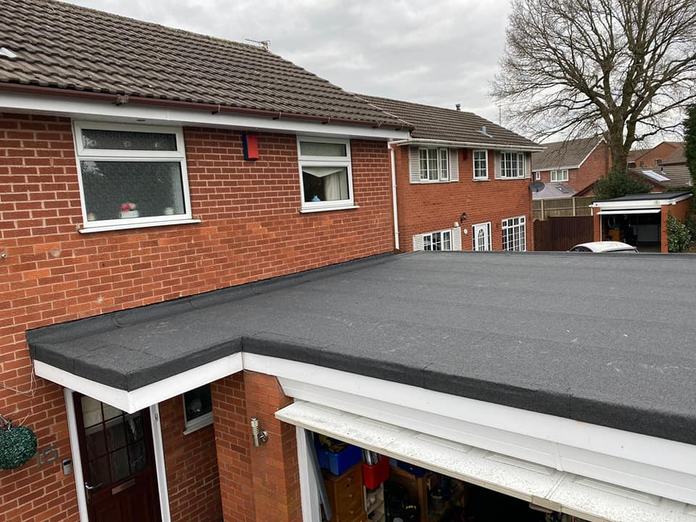
Key considerations for flat roofs in UK properties
Flat roofs have long been a common sight in the UK, particularly on extensions, garages, commercial buildings, and certain modernist homes. While they can offer a sleek aesthetic and practical space-saving advantages, they also demand careful consideration when it comes to design, maintenance, and pre-purchase evaluation.
Understanding the strengths and potential pitfalls of a flat roof is essential for both homeowners and prospective buyers. Whether you are considering buying a property with a flat roof or maintaining one you already own, knowing what to look for will help ensure its longevity and performance.
Design and structure of flat roofs
Despite their name, flat roofs are not completely flat. They are designed with a subtle pitch, often around 1–10 degrees, to allow water to drain away effectively. This slope is important in preventing standing water, which can cause leaks and structural issues over time.
Common flat roof materials used in UK homes include:
- Felt roofing – Traditionally built-up layers of bitumen felt, known for affordability but requiring periodic maintenance.
- EPDM rubber – Durable and resistant to UV damage, with fewer joints and seams.
- GRP fibreglass – Highly waterproof and long-lasting, ideal for areas with frequent rainfall.
- Modified bitumen membranes – Modern alternatives that offer improved flexibility and weather resistance.
Each material comes with its own lifespan, maintenance needs, and installation considerations, all of which should be understood before committing to purchase.
Advantages of flat roofs
Flat roofs are often chosen for their clean architectural lines and practical benefits, such as:
- Space efficiency – They can provide usable roof space for solar panels, air conditioning units, or even rooftop gardens.
- Cost-effective construction – Generally simpler and quicker to install than pitched roofs.
- Modern aesthetics – Popular in contemporary home design, offering a minimalist profile.
Potential issues with flat roofs
Flat roofs can be prone to problems if not correctly installed or maintained. Common concerns include:
- Water pooling – Poor drainage or sagging can lead to puddling, which accelerates material degradation.
- Thermal movement – Materials can expand and contract with temperature changes, leading to cracks or splits.
- Membrane damage – UV exposure, foot traffic, and weathering can weaken the roof surface over time.
- Poor insulation – Some older flat roofs lack proper insulation, causing heat loss and condensation issues.
Flat roof repair or flat roof replacement?
This is the question most buyers and owners want answered: patch it, or replace it. The honest answer depends on the deck beneath the covering, not just the surface you can see.
When flat roof repair is enough
A localised repair makes sense where the covering has failed in one spot but the timber or concrete deck below is still sound and dry. Typical flat roof repair work includes:
- Patching a split or blister in felt or bitumen.
- Re-sealing a lap joint or a failed seam.
- Renewing flashings and the upstand where the roof meets a wall.
- Clearing and re-forming an outlet so water drains away.
Flat roofing repairs buy time, and done well they can add several years. The risk is treating a symptom when the deck is already wet. Once water has tracked under the covering, a patch on top traps moisture rather than curing the cause.
When flat roof replacement is the right call
Replacement becomes the sensible option when:
- The covering is at the end of its life, with widespread cracking, blistering or crazing.
- The deck feels soft or springs underfoot, which suggests decayed timber.
- There is persistent pooling that no amount of patching resolves.
- Several leaks appear at once, rather than a single defect.
A full flat roof replacement is the chance to upgrade to a warm roof build-up and improve the fall, so the new covering is not fighting the same drainage problem that finished off the last one. It costs more upfront than a repair, but on a tired roof it is usually the cheaper route over time.
Skylights and rooflights on flat roofs
Skylights on flat roofs are a common leak point, and they are worth a closer look than the glazing alone. Water gets in around the kerb or upstand that the rooflight sits on, not usually through the unit itself.
When inspecting a skylight on a flat roof, we check:
- The height of the upstand. A kerb that sits too low lets pooling water reach the frame.
- The flashing and the way the covering is dressed up and over the upstand.
- Signs of staining or damp on the ceiling directly below, which often points to a failed seal.
- Condensation between the panes on a sealed unit, which is a glazing fault rather than a roof fault.
If you are planning to add skylights to a flat roof, the detailing at the upstand matters more than the brand of rooflight. A good installation keeps the covering continuous and lifts the frame clear of standing water.
How an RICS home survey identifies flat roof concerns
If you are purchasing a property with a flat roof, a thorough inspection is vital. At CJ Bloor Property Consultants, we provide comprehensive survey options, including the Level 2 Homebuyers Survey and Level 3 Building Survey, both of which can detect potential issues with flat roofs before you commit to buying.
Pre-purchase surveys involve a visual inspection of accessible areas, noting signs of wear, water ingress, or poor workmanship. An experienced RICS surveyor will:
- Examine the roof surface for cracks, blistering, or uneven areas.
- Assess drainage systems and check for signs of pooling water.
- Identify any sagging or structural movement that could affect performance.
- Inspect roof edges, joints, and flashings for gaps or deterioration.
- Evaluate insulation levels and ventilation to minimise condensation risk.
A flat roof is often hard to see from the ground, so access is a real limit. Where a surveyor cannot get onto or above the roof safely, the report will say what could and could not be inspected. For a low garage roof or a two-storey extension, a drone inspection can sometimes give a clearer view. The findings are reported against RICS condition ratings, so you can see at a glance whether the roof needs attention now or later.
This professional insight gives buyers the confidence to proceed with negotiations, knowing exactly what condition the roof is in and whether remedial work may be required.
Maintenance tips for flat roof owners
Owning a property with a flat roof means adopting a proactive maintenance routine to extend its lifespan. Key practices include:
- Regular inspections – Twice a year, preferably in spring and autumn.
- Clearing debris – Leaves and dirt can block drainage points, leading to water build-up.
- Checking seals and joints – These are common points of failure and should be repaired promptly.
- Addressing small defects early – Minor damage can quickly escalate if ignored.
Energy efficiency and insulation
Modern building regulations require flat roofs to meet strict insulation standards, both for energy efficiency and comfort. A warm roof construction, where insulation is placed above the roof deck, helps prevent condensation and reduces heat loss. Retrofitting insulation can also improve thermal performance in older properties.
When to seek professional advice
When buying a home, engaging CJ Bloor Property Consultants for a tailored Level 3 Building Survey is the most thorough way to uncover hidden issues, especially for older properties or those with extensive flat roof areas.
Frequently asked questions
How long does a flat roof last?
It depends on the covering. A built-up felt roof tends to have the shortest life, while EPDM rubber and GRP fibreglass generally last longer when installed well and kept clear of debris. Age is only part of the picture: a roof that pools water or sits under overhanging trees often fails sooner than its material would suggest.
Can a flat roof be repaired, or does it need replacing?
A flat roof can often be repaired where the deck underneath is still sound and the problem is a single split, seam or flashing. Once the deck is wet or the covering has failed across the whole area, flat roof replacement is usually the better value answer. A survey helps tell the two situations apart.
Why does my flat roof leak around the skylight?
Most skylight leaks on flat roofs come from the upstand and flashing around the rooflight, not the glass. If the kerb sits too low or the covering is not dressed properly up and over it, water pooling on the roof can reach the frame. Check the detailing at the upstand first.
Does a Level 2 survey cover a flat roof?
Yes. A Level 2 Homebuyers Survey inspects the flat roof as far as it can be seen safely and gives it a condition rating, flagging defects and the need for further advice. A Level 3 Building Survey goes further on the cause and likely repairs, which is often the better choice for an older property or one with large areas of flat roofing.
Is standing water on a flat roof a problem?
Pooling water is one of the clearest warning signs. The fall may have been lost through sagging, or the outlet may be blocked. Standing water accelerates the breakdown of the covering and adds weight to the deck, so it is worth investigating rather than ignoring.
More on common defects
Subsidence
Recognising subsidence: the word every buyer dreads. What it actually is, how to tell it from settlement, and what happens next if a survey finds it.
Read →Cavity Wall Tie Failure
Cavity wall tie failure is concealed, gradual and common in a band of 1920s to 1970s housing. Here is how a surveyor spots it, how it is confirmed and what repair involves.
Read →Settlement
What settlement is, how settlements differ from subsidence, and how to tell a cosmetic crack from one that needs investigating before you buy.
Read →Need a survey on a specific property?
Tell us the address and we will send a fixed price in writing, with no obligation.
Get your fixed quote →